(949) 407-8904 Mon - Fri 08:00 - 17:00 1940 East Deere Avenue, Suite 100, Santa Ana, CA 92705, USA

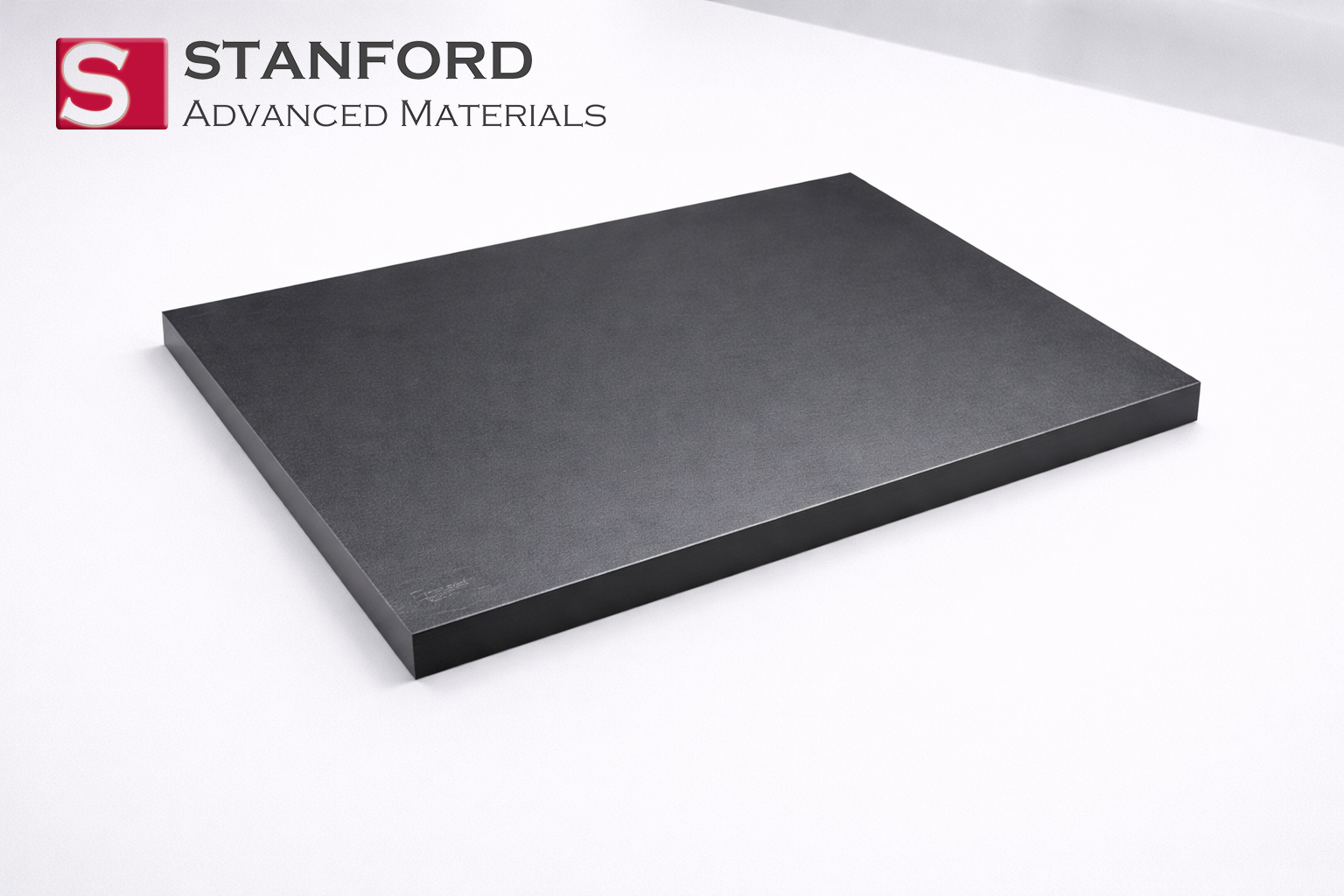
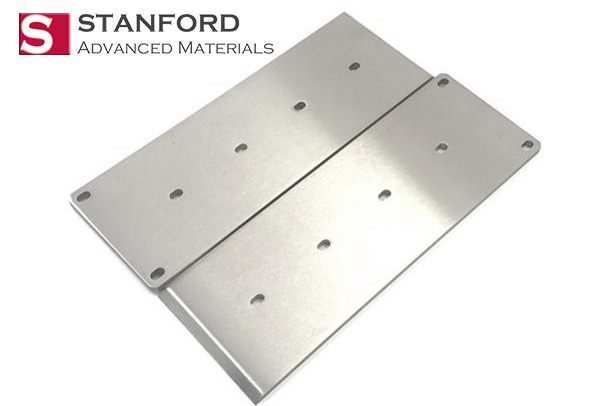
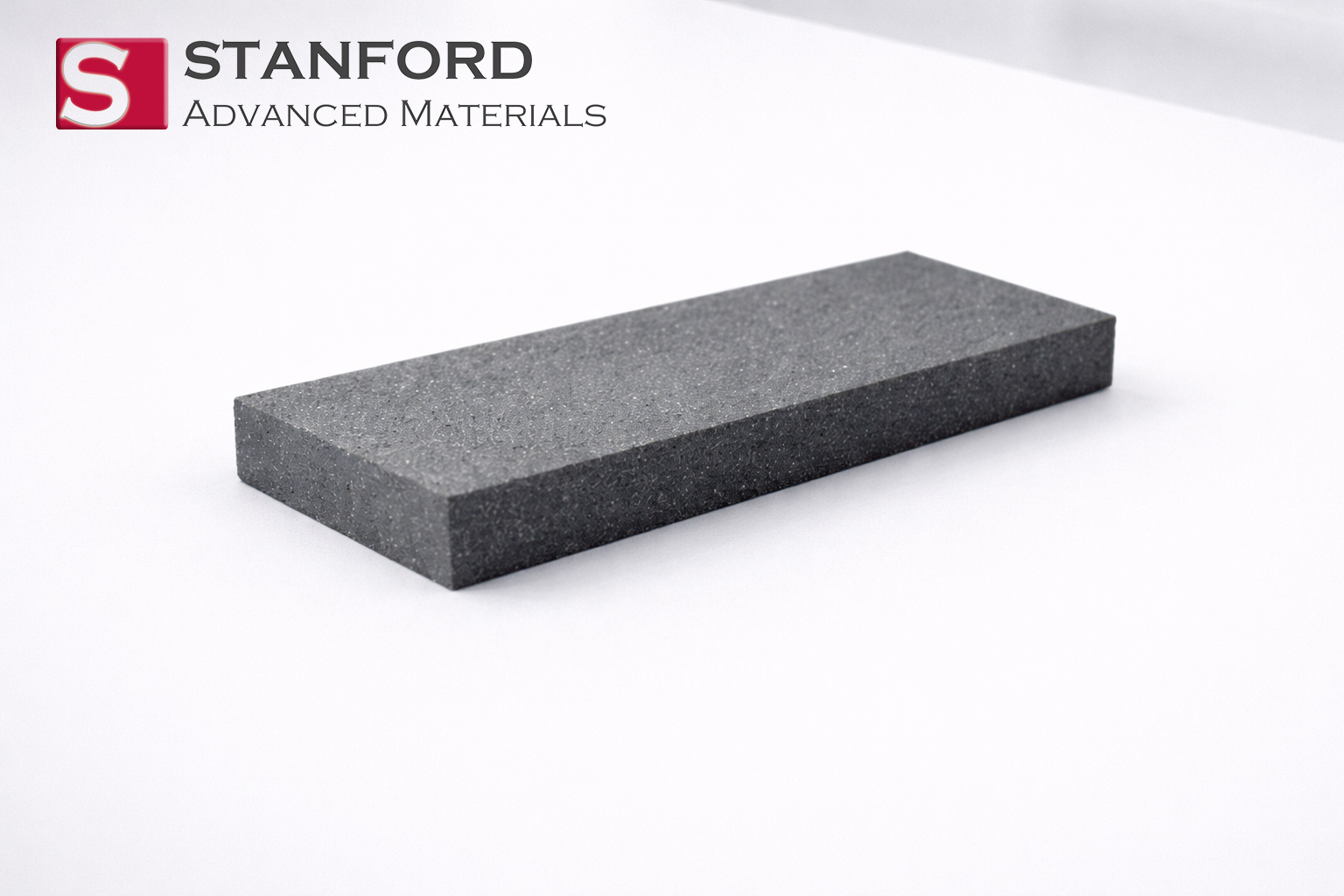
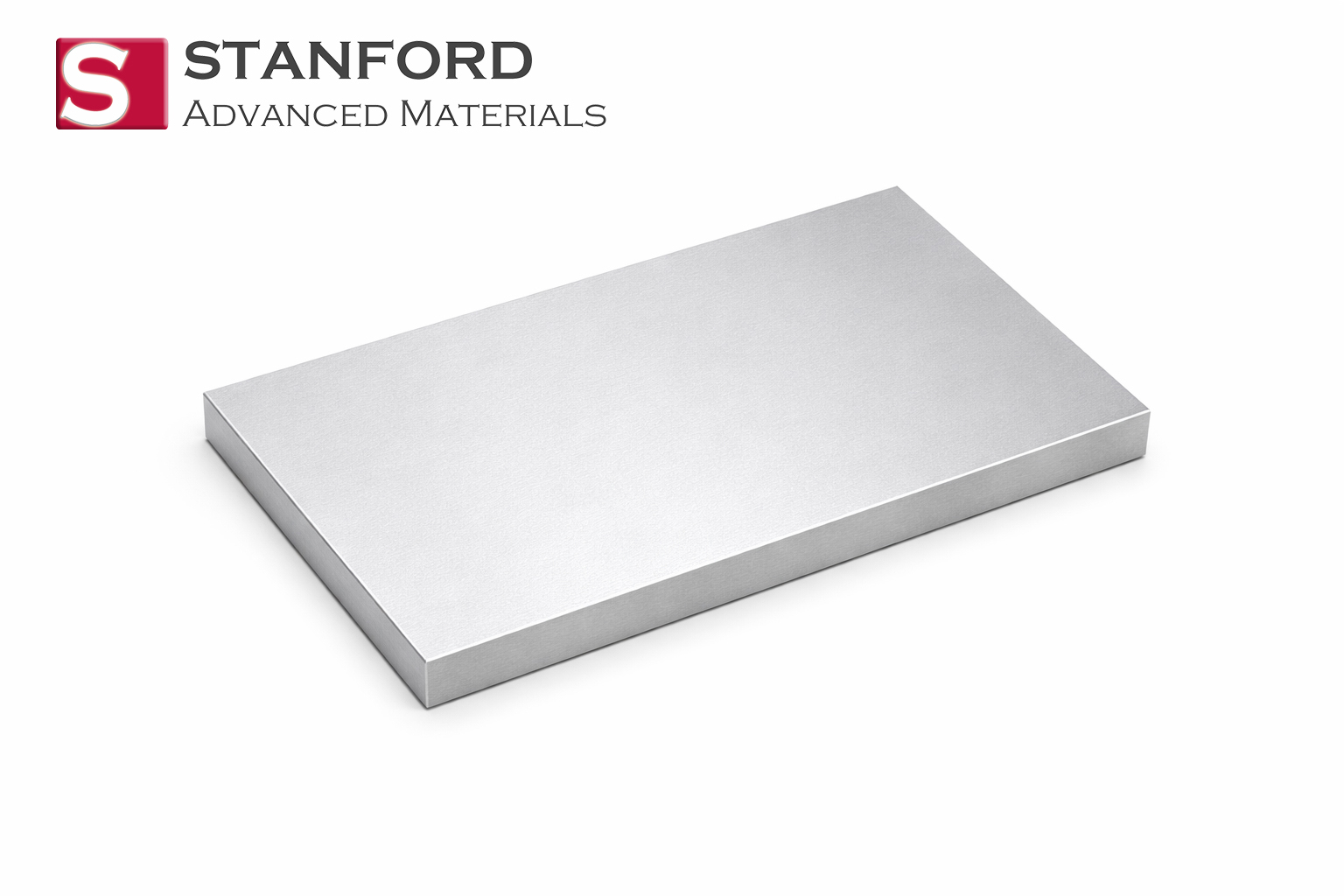
ST11217 Titanium Silicide (TiSi2) Planar Sputtering Target

Our Titanium Silicide (TiSi₂) Planar Sputtering Targets are manufactured from the industry-standard C54-phase TiSi₂, a fundamental material in semiconductor metallization. These targets enable the deposition of ultra-low-resistivity films critical for reducing contact resistance and improving device performance in advanced integrated circuits.

Product Code ST11217 (Standard Reference)
Material Titanium Disilicide (TiSi₂)
Typical Purity ≥ 99.9%
Form & Shape Planar Sputtering Target (Rectangular/Disc)
Crystal Phase C54 (Low-Resistivity Orthorhombic Phase)
Key Advantage Enables formation of the lowest resistivity silicide films (~13-20 µΩ·cm) essential for high-speed semiconductor contacts and interconnects in sub-micron technologies.

Key Advantage: Provides the optimal material source for forming TiSi₂ contacts through the self-aligned silicide (salicide) process, significantly reducing parasitic resistance in source/drain and gate regions.

Customization: Stoichiometry (Ti:Si ratio), purity, dimensions (thickness, width, length), and bonding configurations are fully customizable for specific process integration requirements.

Primary Applications: Source/drain and gate contacts in CMOS transistors; local interconnects in integrated circuits; low-resistance electrodes for sensors and MEMS devices; diffusion barrier layers in advanced metallization schemes.


Description

Complete Technical Specifications & Capabilities

Comprehensive specifications for semiconductor process integration and advanced contact engineering.

Parameter Specification / Details
Material Titanium Disilicide (TiSi₂)
Crystal Phase (Target) Primarily C54 Orthorhombic Phase (Optimized for low-resistivity film formation)
Typical Purity ≥ 99.9% (Metal Basis)
Stoichiometry Ti:Si ≈ 1:2 (Atomic) | Custom ratios available for process optimization
Density ~4.13 g/cm³ (Theoretical for C54-TiSi₂)
Melting Point Approx. 1500 °C
Electrical Resistivity (Film) ~13 – 20 µΩ·cm (For optimal C54-phase films after proper annealing)
Formation Temperature C54 phase typically forms at 700-900°C during RTP annealing
Standard Shape Planar – Rectangular, Circular (Disc)
Dimensions Fully Customizable (Thickness, Width, Length, Diameter)
Surface Finish Precision ground and polished for uniform sputtering performance
Bonding Option Available bonded to Cu or Al backing plates using In, Elastomer, or specialized bonding
Manufacturing Method Powder metallurgy with controlled sintering to achieve phase purity and density
Quality Documentation Certificate of Analysis with XRD phase identification and compositional data

Technical & Application Deep Dive

1. The Semiconductor Standard: TiSi₂ in Salicide Technology

Titanium Silicide has been the workhorse material for contact formation in semiconductor manufacturing for decades:

  • Self-Aligned Silicide (Salicide) Process: TiSi₂ is deposited via sputtering, then patterned and annealed to form low-resistance contacts directly on exposed silicon areas (source, drain, gate) while remaining insulated elsewhere by oxide spacers. This self-aligned nature is critical for shrinking device geometries.
  • Phase Transformation Control: The process involves transformation from high-resistivity C49 phase to low-resistivity C54 phase. Our targets are engineered to promote this transformation, and proper Rapid Thermal Processing (RTP) completes it in the deposited film.
  • Linewidth Dependence: A key challenge is maintaining C54 phase formation at narrow linewidths (<0.25 µm). Advanced deposition and annealing techniques using our high-purity targets help overcome this limitation.

2. Material Advantages and Integration Considerations

TiSi₂ offers specific benefits for semiconductor integration:

  • Lowest Resistivity Among Silicides: At ~13-20 µΩ·cm, C54-TiSi₂ provides the lowest sheet resistance, minimizing RC delay in interconnects.
  • Excellent Silicon Compatibility: Forms stable interfaces with silicon substrates with minimal junction leakage when properly processed.
  • Selective Etching Capability: Unreacted Ti over dielectric areas can be selectively removed, simplifying the salicide process flow.
  • Thermal Stability: Stable up to ~900°C, compatible with backend thermal budgets.

3. Beyond CMOS: Emerging and Niche Applications

While largely succeeded by CoSi₂ and NiSi at the most advanced nodes, TiSi₂ remains important for:

  • Mature Technology Nodes: Still widely used in 0.35µm to 0.13µm technology nodes for cost-effective manufacturing.
  • Power Devices and MEMS: Excellent choice for power MOSFETs and MEMS devices where low contact resistance and process simplicity are valued.
  • Research and Development: Used in studies of silicide formation kinetics, phase transformation mechanisms, and as a reference material for new contact schemes.
  • Optoelectronics: As a conductive, stable electrode material for certain display and sensor applications.

Quality Assurance & Manufacturing

Stanford Advanced Materials ensures target quality through stringent controls:

  • Phase Purity Verification: X-ray Diffraction (XRD) analysis confirms the dominant presence of the C54 phase and monitors for unwanted phases (C49, Ti-rich phases, or free Si).
  • Compositional Accuracy: Inductively Coupled Plasma (ICP) and combustion analysis precisely determine Ti:Si ratio and impurity levels.
  • Microstructural Homogeneity: Scanning Electron Microscopy (SEM) with EDS mapping verifies uniform elemental distribution and absence of porosity or inclusions.
  • Density Measurement: High density (>95% theoretical) is confirmed to ensure stable sputtering behavior and consistent film properties.

Why Choose SAM for Your Titanium Silicide Targets?

  • Decades of Semiconductor Materials Experience: Deep understanding of silicide requirements for contact and gate applications.
  • Precision Phase Engineering: Specialized manufacturing to optimize for the critical C54 low-resistivity phase formation.
  • Process Integration Support: Targets designed for compatibility with standard salicide process flows and annealing conditions.
  • Flexible Solutions: Support for both high-volume production of mature technologies and specialized R&D requirements.

Next Steps: Get a Custom Quote

To receive a formal quotation or technical consultation, please provide:
  1. Target application (e.g., salicide contacts, gate electrodes, research on phase formation).
  2. Required dimensions (Thickness x Width x Length or Diameter x Thickness).
  3. Specific phase requirements or resistivity targets for deposited films.
  4. Any special bonding or packaging needs.
Request a Quote