(949) 407-8904 Mon - Fri 08:00 - 17:00 1940 East Deere Avenue, Suite 100, Santa Ana, CA 92705, USA
0
Items : 0
Subtotal : $0.00
View CartCheck Out
Inquiry

Blogs

Stanford Advanced Materials (SAM) Corporation is a global supplier of various sputtering targets such as metals, alloys, oxides, ceramic materials. We update every week about news and knowledge of sputtering targets and evaporation materials. Here are the blogs we published previously.

FTO Sputtering Target for TCO Thin Film Research

Case Study: FTO Sputtering Target for TCO Thin Film Research

Introduction A research group at a leading technical university in Switzerland needed FTO sputtering targets for transparent conductive oxide (TCO) thin film work. Two previous suppliers failed to deliver consistent doping uniformity or sufficient density. Film resistivity varied across batches, making it impossible to reproduce experimental results. SAM supplied 4″ and 6″ FTO targets with...
Molybdenum Boat Selection Guide for PVD

How to Choose Molybdenum Boats: Selection Guide for PVD and High-Temperature Applications

Introduction If you work with PVD coating or high-temperature furnaces, you’ve probably run into this question: What’s the best container for holding evaporation materials like aluminum, gold, or silver? The short answer for many applications is a molybdenum boat — or Mo boat, as most engineers call it. Molybdenum boats are small, boat-shaped containers made...
magnetic-storage

Rare Earth Metal Targets: Nd & Pr in Magnetic Storage, Lasers, and Sensors

Rare earth metals like neodymium and praseodymium are not just for bulk magnets. When made into sputtering targets and deposited as thin films, they bring unique properties to three specific applications: magnetic storage media, solid-state lasers, and advanced sensors. Here’s how each works, and why the material choices matter. Magnetic Storage: High Anisotropy from Nd...
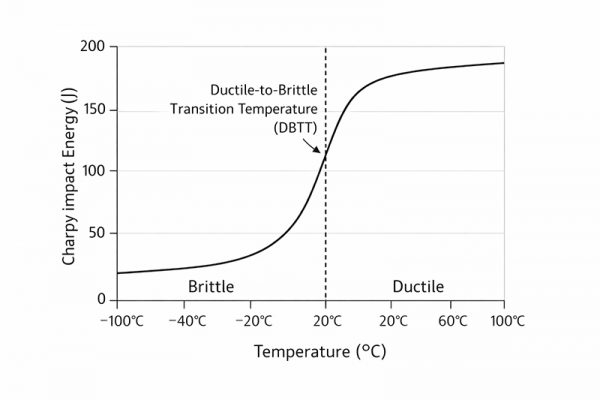
Ductile-to-Brittle

Ductile-to-Brittle Transition Temperature: The Cold Truth About Metals

Drop the temperature enough, and some metals stop being metals. No yielding. No warning. Just fracture — at the speed of sound. That threshold is the Ductile-to-Brittle Transition Temperature (DBTT). If you’re designing for low-temperature service — LNG storage, Arctic structures, deep-sea equipment, aerospace — DBTT isn’t a detail. It’s where you start. For sputtering...
medical-coatings-biocompatible-sputering-target

Medical Coatings: Biocompatible Applications of Ti, Ta & Oxide Targets

The human body is the most corrosive environment in engineering. Salt. Heat. Constant motion. Aggressive proteins. And zero tolerance for failure. A hip replacement that fails after five years, not twenty, is rarely due to the bulk material. It is almost always a surface problem. For medical implants and precision surgical tools, the coating is...
five sputtering target materials

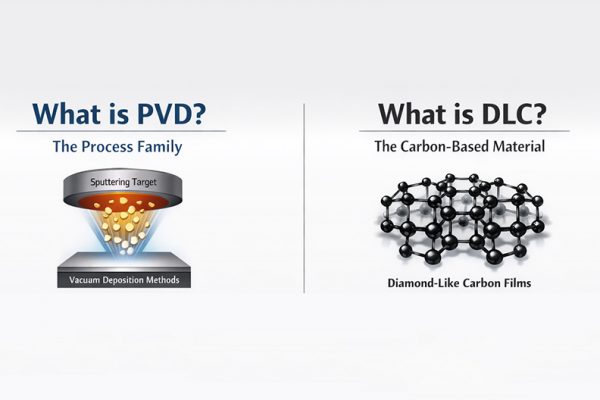
PVD vs. DLC Coatings: A Technical Comparison for Engineers

For design engineers and materials scientists, choosing a surface treatment often decides how a component performs in real use. Physical Vapor Deposition (PVD) and Diamond-Like Carbon (DLC) coatings are two effective options. They are often cited for dramatically extending component life. While they share the goal of surface enhancement, treating them as interchangeable solutions is...
PVD coating

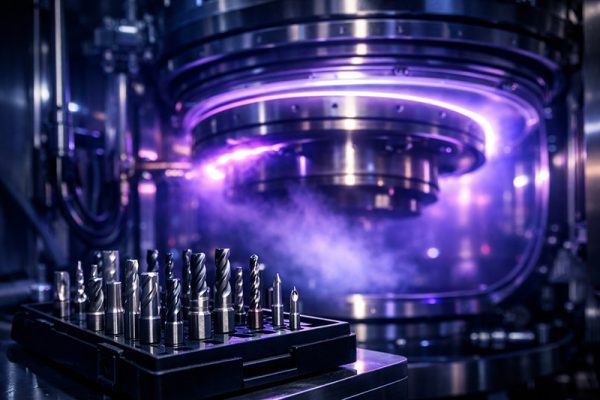
Batch Tool Coating Cost-Cut by 30%: Rotary Target Optimization & Reactive Sputtering Control

In production-scale tool coating, the difference between profit and loss often comes down to how well you manage the variables that most operators take for granted. After a decade in this industry, I’ve seen too many coating lines running at 60% efficiency simply because the team never stopped to ask the hard questions about where...
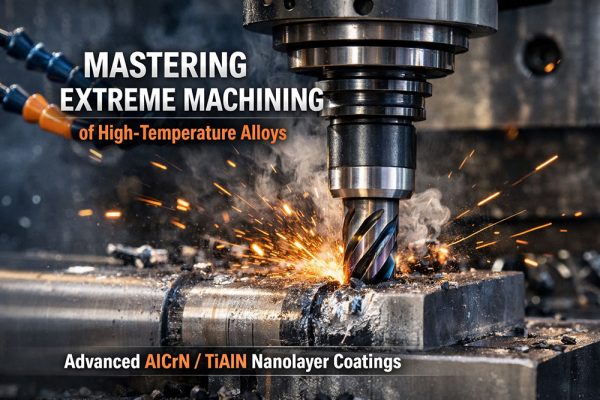
Solving Superalloy Machining: The Evolution of AlCrN/TiAlN Nanolayer Coating Targets

Solving Superalloy Machining: The Evolution of AlCrN/TiAlN Nanolayer Coating Targets

When machining high-temperature alloys like Inconel or Ti-6Al-4V, the challenge transcends conventional cutting. The process essentially becomes a high-stakes battle—not just against the material’s hardness, but against the extreme heat, work hardening, and abrasive wear it generates at the cutting edge. Under such severe conditions, standard tool coatings degrade rapidly, often reaching their functional limits...
NbN Thin Film Manufacturing Methods

Fabrication of Niobium Nitride Thin Films: A Critical Analysis of Deposition Methodologies

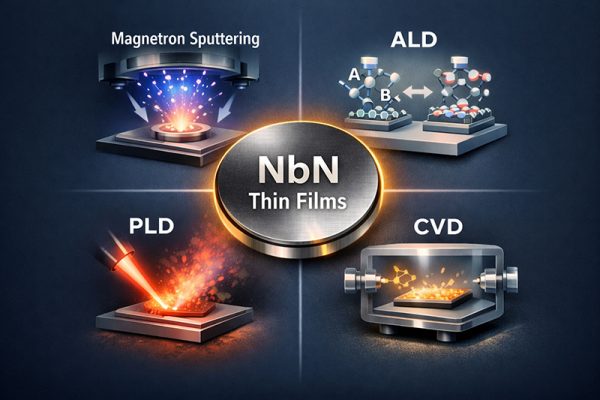
Niobium nitride (NbN) is widely used in superconducting devices, and its performance depends largely on how its thin film is formed. In this article, we look at four main methods: reactive magnetron sputtering, atomic layer deposition (ALD), pulsed laser deposition (PLD), and chemical vapor deposition (CVD). We explain how process details like gas mix, temperature,...
1 2 3 33