(949) 407-8904 Mon - Fri 08:00 - 17:00 1940 East Deere Avenue, Suite 100, Santa Ana, CA 92705, USA

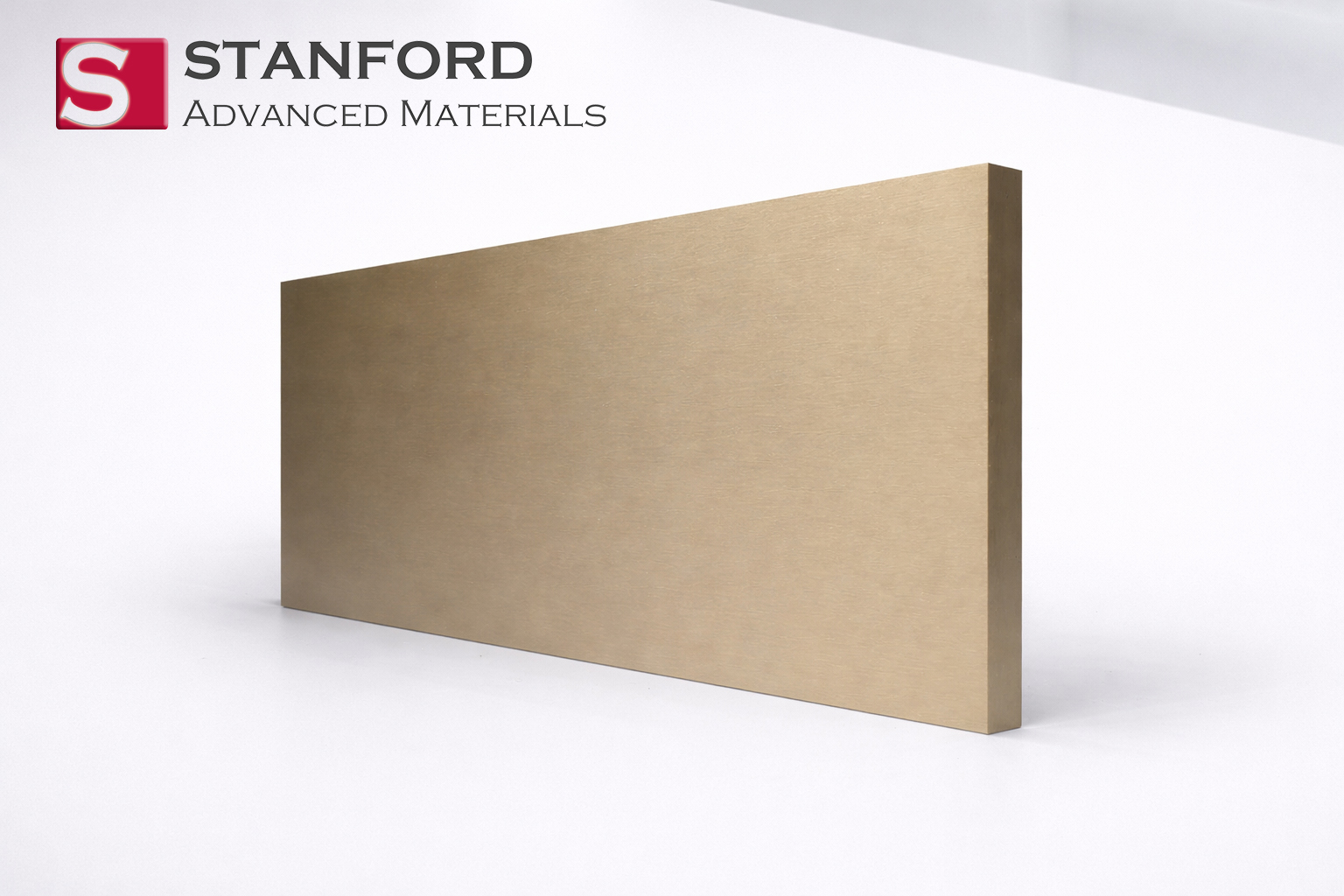
ST11216 Tantalum Silicide Planar Target, TaSi2 Target

Our Tantalum Silicide (TaSi₂) Planar Sputtering Targets are engineered from the well-defined TaSi₂ intermetallic phase, a critical material in semiconductor metallization. These targets enable the deposition of conductive films with an optimal balance of low resistivity, excellent thermal stability, and strong adhesion—making them indispensable for advanced microelectronic device fabrication.

Product Code ST11216 (Standard Reference)
Material Tantalum Disilicide (TaSi₂)
Typical Purity ≥ 99.9%
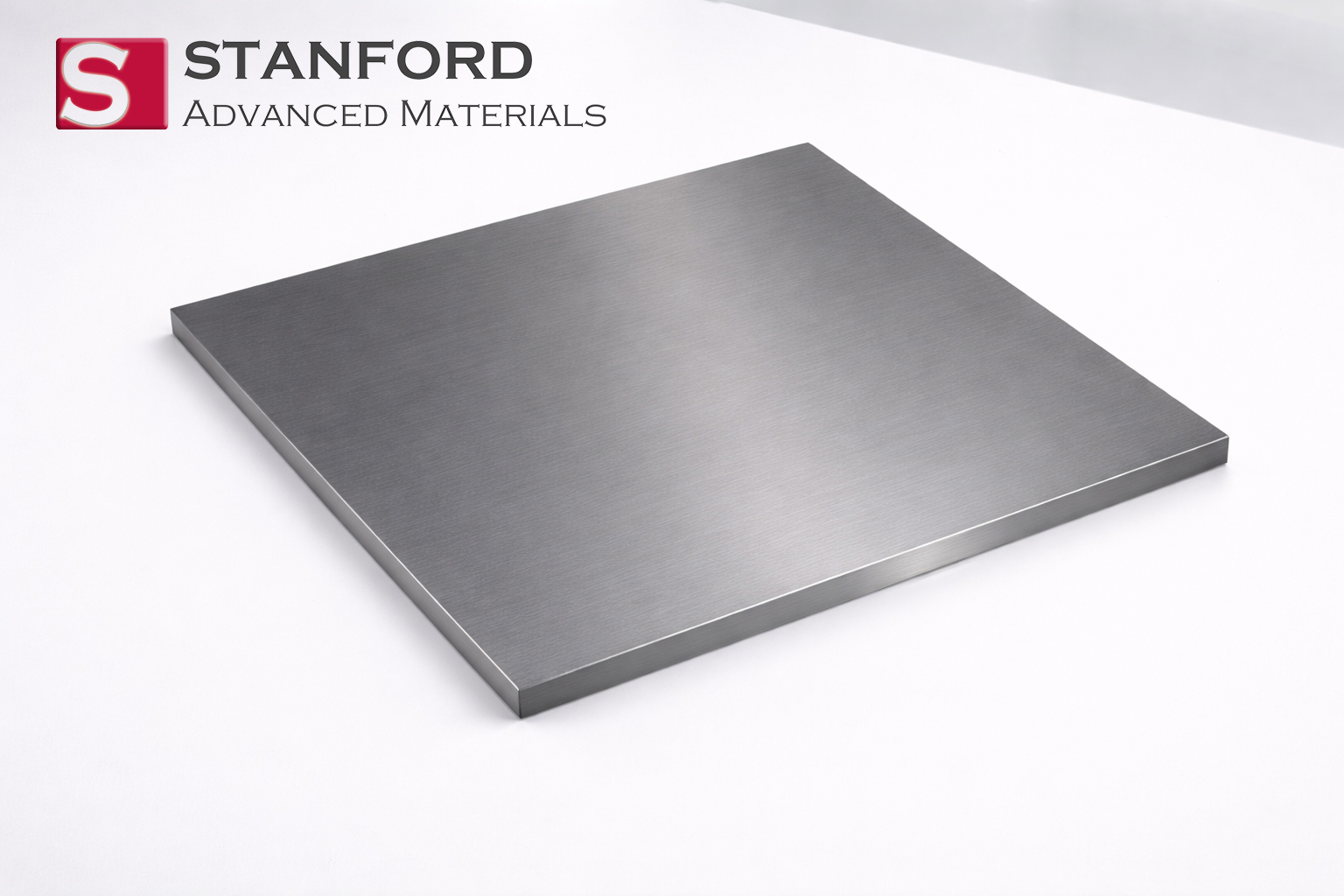
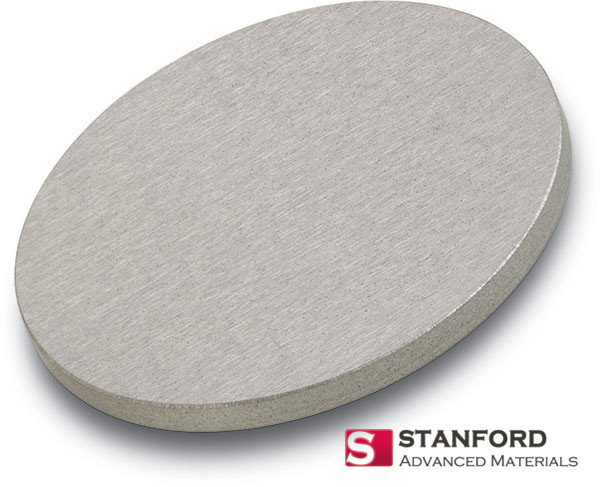
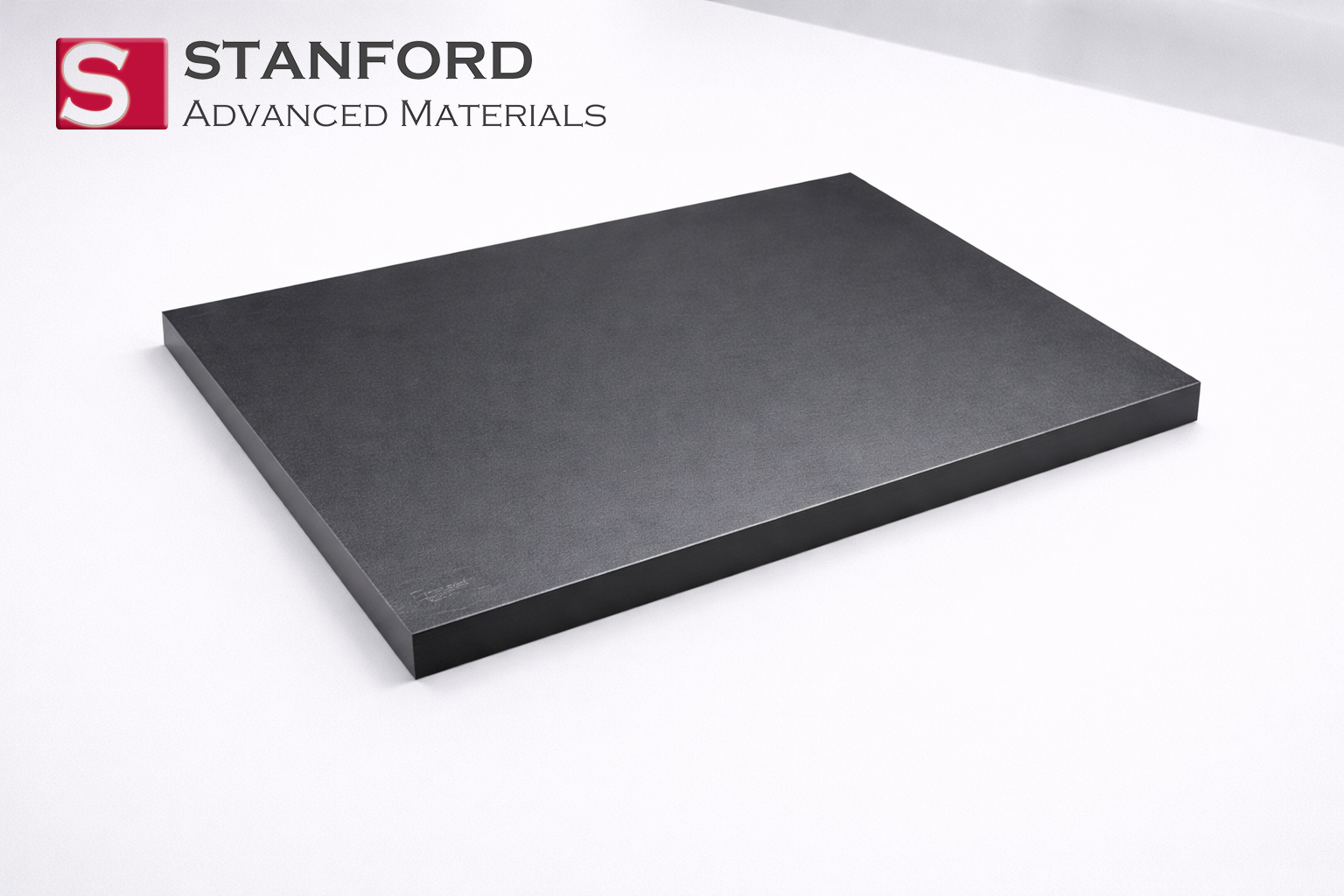
Form & Shape Planar Sputtering Target (Rectangular/Disc)
Key Properties Low Resistivity (~35-50 µΩ·cm) | High Thermal Stability | Excellent Diffusion Barrier
Key Advantage Provides a stable, conductive thin film source for gate electrodes and local interconnects in CMOS technology, with compatibility to high-temperature processing steps.

Key Advantage: Enables deposition of conductive films that maintain stability and low resistance after high-temperature annealing, which is critical for integrating with self-aligned silicide (salicide) processes in semiconductor manufacturing.

Customization: Composition ratio (Ta:Si), purity, dimensions, and bonding options are fully customizable to match specific integration schemes and device requirements.

Primary Applications: Gate electrode and local interconnect material in CMOS devices; diffusion barrier/contact layer for DRAM and advanced logic; conductive coating for MEMS and high-temperature sensors.


Description

Complete Technical Specifications & Capabilities

Detailed specifications tailored for semiconductor process integration and advanced metallization research.

Parameter Specification / Details
Material Tantalum Disilicide (TaSi₂)
Crystal Phase Hexagonal (C40 structure) – The stable, low-resistivity phase for thin-film applications
Typical Purity ≥ 99.9% (Metal Basis)
Composition Ratio Ta:Si ≈ 1:2 (Atomic) | Custom ratios (e.g., Si-rich or Ta-rich) available
Density ~9.14 g/cm³ (Theoretical)
Melting Point Approx. 2200 °C
Electrical Resistivity (Bulk) ~35 – 50 µΩ·cm (Film resistivity depends on deposition and annealing conditions)
Thermal Stability Stable in contact with Si up to ~1000°C, forms low-resistance ohmic contacts
Standard Shape Planar – Rectangular, Circular (Disc)
Dimensions Fully Customizable (Thickness, Width, Length, Diameter)
Surface Finish Fine-ground and polished for uniform sputtering and minimal particulate generation
Bonding Option Available bonded to Cu or Al backing plates using In, Elastomer, or solder
Manufacturing Method Arc Melting / Powder Metallurgy with controlled sintering to ensure phase purity
Quality Documentation Certificate of Analysis (CoA) with phase verification (XRD) and composition data

Technical & Application Deep Dive

1. The Semiconductor Workhorse: TaSi₂ in Device Metallization

Tantalum Disilicide has been a cornerstone material in semiconductor technology due to its unique combination of properties:

  • Gate Electrode Material: TaSi₂ films serve as robust gate electrodes in MOS transistors, offering lower resistivity than doped polysilicon alone and compatibility with the self-aligned silicide (salicide) process to reduce contact resistance.
  • Local Interconnects & Contacts: Used for local wiring and contact plugs, TaSi₂ provides a stable, conductive path that withstands backend processing temperatures while preventing junction spiking and interdiffusion.
  • Diffusion Barrier: Acts as an effective barrier between silicon substrates and aluminum or copper metallization, preventing detrimental reactions and dopant diffusion that could degrade device performance.

2. Material Science: Phase Control and Process Integration

The performance of TaSi₂ films critically depends on achieving the correct crystalline phase:

  • Phase Formation: The low-resistivity hexagonal C40 phase is desired. Our targets are processed to favor this phase, and proper post-deposition annealing ensures its formation in the film, minimizing high-resistivity amorphous or other silicide phases.
  • Composition Control: Precise Ta:Si ratio (near 1:2) in the target is essential for reproducible film stoichiometry, which directly affects resistivity, thermal stability, and etching characteristics.
  • Interface Engineering: TaSi₂ forms well-defined interfaces with both silicon and silicon dioxide, enabling reliable device integration and stable electrical characteristics.


3. Sputtering Process for Silicide Targets

DC magnetron sputtering from conductive TaSi₂ targets is the standard deposition method:

  • Conductive Target: TaSi₂ is a good electrical conductor, enabling efficient DC sputtering with high deposition rates and good process control.
  • Film Uniformity: The planar target design, combined with optimized magnetron configuration, allows for highly uniform film deposition across large wafer diameters, critical for semiconductor manufacturing.
  • Co-Sputtering Flexibility: TaSi₂ targets can be used in multi-target systems for co-sputtering with other materials (e.g., Ta, Si) to fine-tune film composition or gradient structures.

Quality Assurance & Manufacturing

Stanford Advanced Materials implements rigorous controls to ensure target performance:

  • Phase Purity Verification: X-ray Diffraction (XRD) is used to confirm the dominant presence of the desired hexagonal TaSi₂ phase and detect any secondary phases (e.g., Ta₅Si₃, unreacted Ta).
  • Compositional Accuracy: Chemical composition is verified using techniques like Inductively Coupled Plasma (ICP) analysis to ensure the correct Ta:Si ratio.
  • Microstructural Homogeneity: Scanning Electron Microscopy (SEM) with EDS mapping confirms uniform distribution of Ta and Si, ensuring consistent sputtering erosion and film properties.
  • Density Measurement: Archimedes’ method is used to confirm high density, minimizing porosity for stable sputtering performance.

Why Choose SAM for Your Tantalum Silicide Targets?

  • Semiconductor-Grade Expertise: We understand the critical phase and stoichiometry requirements for semiconductor metallization applications.
  • Precision in Intermetallic Compounds: Specialized manufacturing processes ensure high phase purity and compositional accuracy in TaSi₂ targets.
  • Proven Integration Support: Our targets are designed to integrate seamlessly with standard PVD tools and salicide process flows.
  • Customization for R&D and Production: We support both high-volume production needs and specialized R&D projects requiring tailored compositions or dimensions.

Next Steps: Get a Custom Quote

To receive a formal quotation or technical consultation, please provide:
  1. Specific application (e.g., gate electrode, local interconnect, diffusion barrier).
  2. Target dimensions (Thickness x Width x Length or Diameter x Thickness).
  3. Required crystal phase emphasis or any specific resistivity targets.
  4. Bonding and packaging preferences.
Request a Quote