(949) 407-8904 Mon - Fri 08:00 - 17:00 1940 East Deere Avenue, Suite 100, Santa Ana, CA 92705, USA

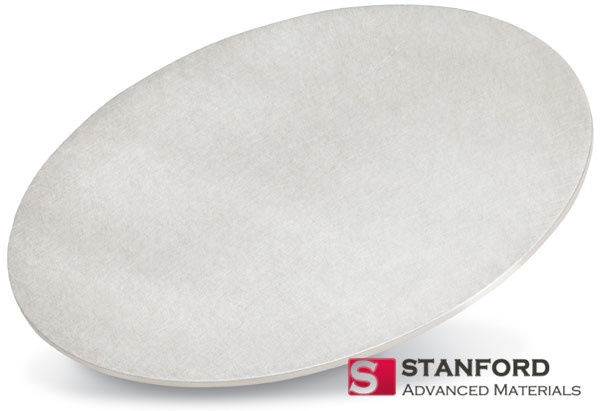
ST11211 High-Purity Tin (Sn) Planar Sputtering Target

Our High-Purity Tin (Sn) Planar Sputtering Targets are engineered for depositing conductive and functional films in applications sensitive to temperature and oxidation, such as advanced packaging interconnects, transparent electrodes, and solderable coatings. The low melting point of tin requires exceptional target density and surface flatness to ensure stable, low-power sputtering without droplet formation.

Material Tin (Sn)
Purity ≥ 99.99% (4N) Standard
Key Consideration Low Melting Point (231.9°C) & Oxidation Sensitivity
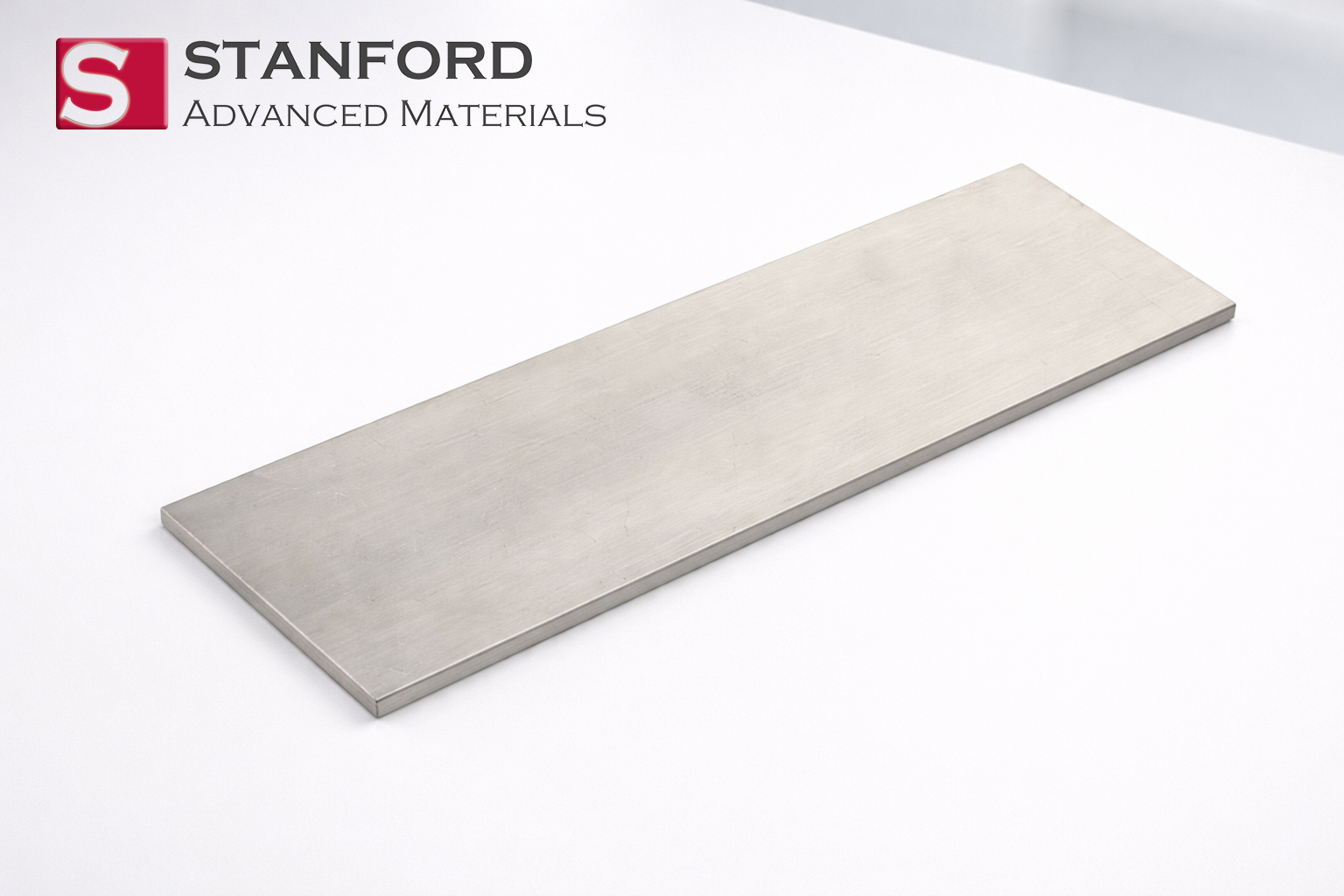
Form Planar Sputtering Target (Rectangular)

Key Advantage: High-density fabrication and meticulous surface finishing prevent localized overheating and “tin splashing,” enabling the deposition of smooth, uniform conductive films crucial for fine-pitch interconnects and transparent conductive oxides (TCOs).

Customization: Available in rectangular planar geometry with fully customizable dimensions. Purity (up to 99.999%), bonding to backing plates, and specialized packaging to prevent oxidation are all available.

Typical Applications: Thin films for solder bumps/under-bump metallization (UBM), tin oxide (SnO₂) transparent conductors, lithium-ion battery anode materials, and corrosion-protective coatings.

SKU: ST11211 Category: Tags: ,


Description

Complete Technical Specifications

For detailed evaluation and procurement (Product Code: ST11211).

Parameter Specification / Typical Value
Material Tin (Sn)
Purity (Standard) ≥ 99.99% (4N)
Density > 7.26 g/cm³
Melting Point 231.9 °C
Electrical Resistivity ~ 115 nΩ·m
Standard Form Rectangular Planar Target
Dimensions Fully Customizable
Sputtering Method DC Magnetron Sputtering (Low to Medium Power)
Bonding Options Indium, Elastomer, or low-temperature solders for effective cooling
Key Impurity Control Low Pb, Bi, Sb, Cu content (critical for solder and electronic applications)
Surface Finish Fine-grained, profilometer-verified for flatness
Certification Certificate of Analysis (CoA) with GDMS/ICP-MS data

Technical & Application Notes

1. Enabling Advanced Electronics Packaging & Interconnects

Tin’s primary role in microelectronics is in forming reliable interconnections:

  • Solder Bumps & Under-Bump Metallization (UBM): Pure tin or tin-alloy films are sputtered as a key layer in wafer-level packaging (WLP) and flip-chip technologies to create solderable surfaces. High purity is essential to prevent Kirkendall voiding and ensure joint reliability.
  • Low-Temperature Conductive Layers: For devices on temperature-sensitive substrates (e.g., flexible electronics, polymers), tin provides a conductive pathway that can be deposited with minimal thermal budget.

Target Key: A high-density, flat planar target is critical to avoid arcing and particulate generation that would cause defects in fine-pitch bump structures.

2. Transparent Conductive Oxides (TCO) & Optoelectronics

Tin is a vital precursor for transparent conductive films:

  • Tin Oxide (SnO₂): Sputtering from a pure Sn target in a reactive oxygen atmosphere is a common method to deposit SnO₂ films. These are used as transparent electrodes in touch screens, solar cells, and gas sensors due to their good conductivity and transparency.
  • Fluorine-Doped Tin Oxide (FTO): A workhorse TCO material for photovoltaic devices and low-emissivity glass. The properties of the sputtered film are highly dependent on the purity and microstructure of the starting tin target.

3. Energy Storage & Functional Coatings

  • Lithium-Ion Battery Anodes: Tin and tin-oxide films are investigated as high-capacity anode materials. Sputtering allows for precise control of film thickness and composition for research and development of next-generation batteries.
  • Corrosion-Resistant Coatings: Thin tin coatings provide sacrificial or barrier protection for steel and other metals in food packaging and mild environmental applications.
  • Superconducting Precursor: Tin is a component in low-temperature superconducting compounds like Nb₃Sn, where high-purity tin films may be used in precursor deposition processes.

4. Sputtering Process & Handling Considerations

Tin’s low melting point and susceptibility to oxidation require careful process design:

  • Low-Power Sputtering Regime: DC power must be carefully controlled with effective cooling to prevent target surface melting and the formation of micro-droplets (“splashing”) that degrade film quality.
  • Effective Cooling & Bonding: Excellent thermal contact between the planar target and the water-cooled backing plate is non-negotiable for stable operation.
  • Oxidation Prevention: Targets should be stored in vacuum-sealed packaging. Sputtering chambers should have low base pressures and may benefit from gettering to minimize oxide formation on the film.
  • Soft Material Handling: Tin is a soft metal; targets require careful handling and robust packaging to prevent surface scratches or dents.

Quality Assurance

Our quality protocol for tin targets addresses its specific challenges:

  1. High-Density Manufacturing: Processes are optimized to achieve near-theoretical density, minimizing porosity that can trap gases and cause arcing.
  2. Surface Profilometry: Verifies the critical planar flatness and surface roughness to ensure uniform erosion and thermal contact.
  3. Trace Impurity Analysis (GDMS/ICP-MS): Especially focuses on elements like lead (Pb), bismuth (Bi), and antimony (Sb), which are detrimental to solder joint integrity and electronic performance.

Why Stanford Advanced Materials (SAM)

  • Expertise in Low-Melting Point Metals: We understand the unique fabrication and handling challenges of materials like tin, ensuring targets are delivered with optimal density and surface quality.
  • Purity for Electronics: We supply tin with impurity levels tailored for high-reliability electronic and solder applications.
  • Full Supply Chain Control: From material sourcing to vacuum packaging, we control every step to prevent oxidation and contamination.

Request More Information

Specify Your Tin Film Application
To recommend the best tin target solution, please provide:
  1. Primary application (e.g., solder UBM, SnO₂ TCO, battery research, protective coating).
  2. Required purity grade and any specific impurity limits (e.g., max Pb content).
  3. Target dimensions and whether reactive sputtering (with O₂) is planned.
Request a Quote