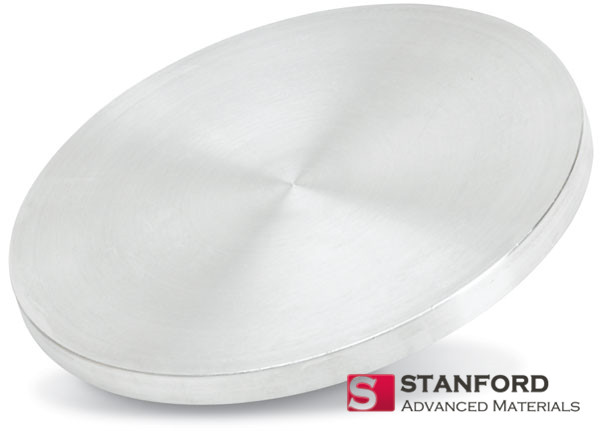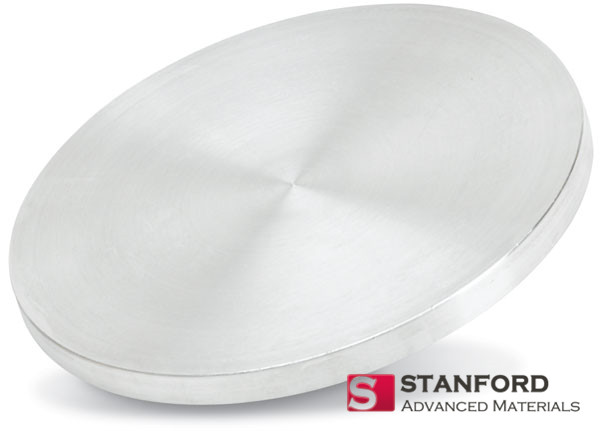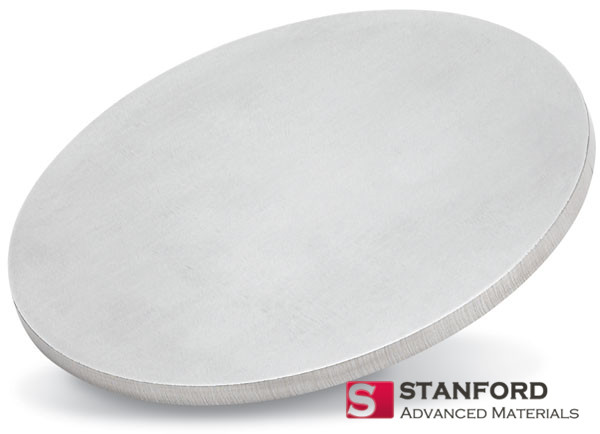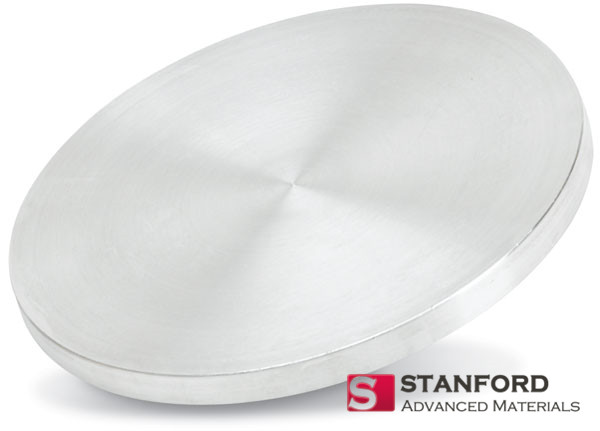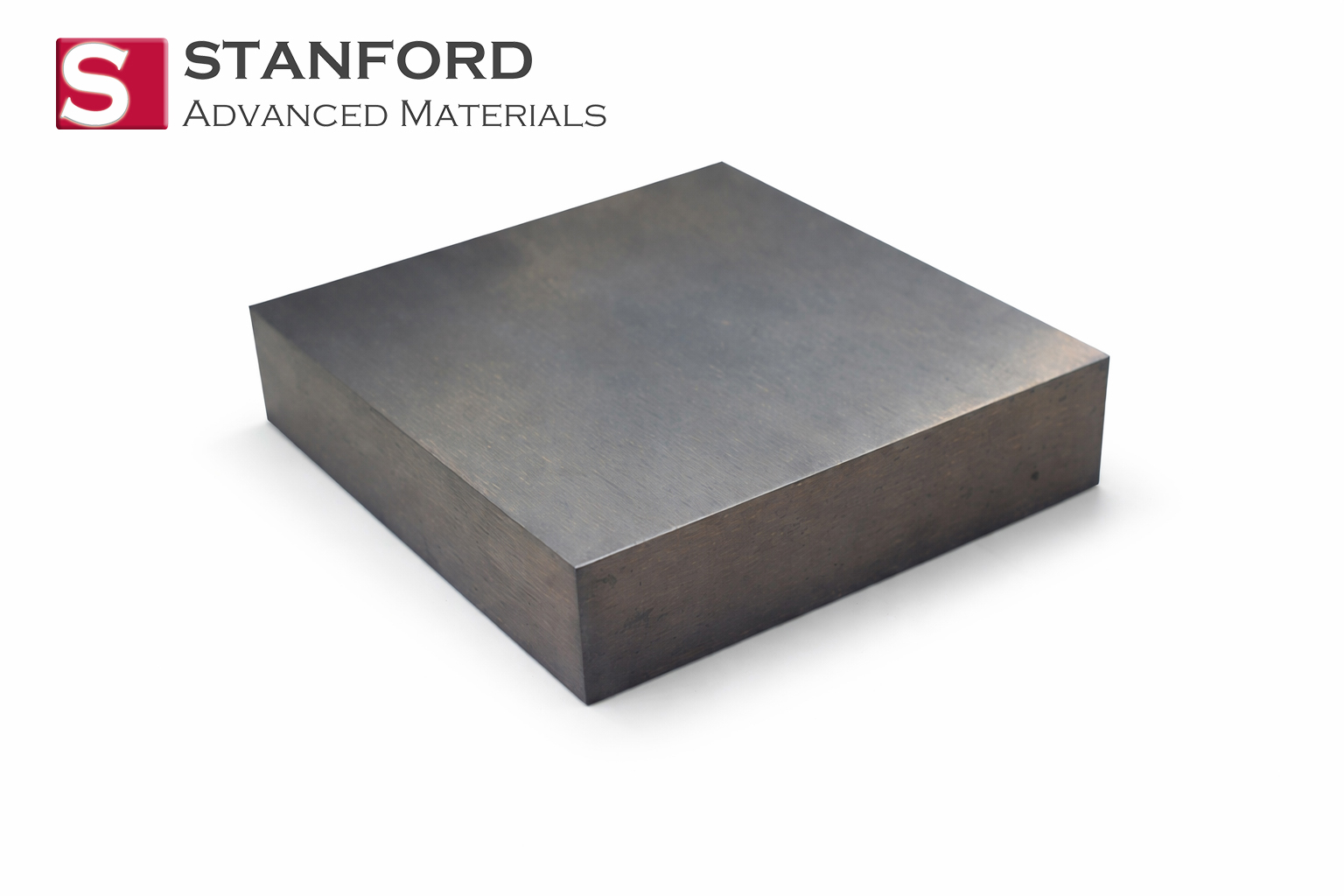
Our Cerium Magnesium (CeMg) planar sputtering targets are engineered from a precisely controlled intermetallic compound, offering a unique material source for depositing thin films with potential applications in hydrogen storage, corrosion protection, and specialized optical systems.
| Material | Cerium Magnesium (CeMg) Intermetallic Compound |
| Standard Composition | CeMg (1:1 molar ratio, ~81.3 wt.% Ce, ~18.7 wt.% Mg) |
| Purity | ≥ 99.9% (Metal Basis) |
| Form | Planar Sputtering Target |
Key Advantage: Provides a stoichiometric source for co-depositing Ce and Mg, enabling the study of intermetallic films with unique hydriding and chemical properties.
Customization: Composition ratios (Ce:Mg), dimensions, and bonding options can be tailored to specific research needs.
Typical Applications: Hydrogen storage film research, corrosion-resistant alloy coatings, optical thin-film research (e.g., selective absorbers), and fundamental studies of rare earth-transition metal films.
For detailed evaluation and procurement (Standard Reference: ST11175).
| Parameter | Specification / Typical Value |
|---|---|
| Material | Cerium Magnesium (CeMg) |
| Compound Type | Intermetallic (CeMg phase) |
| Standard Composition | Ce ~81.3 wt.%, Mg ~18.7 wt.% (1:1 atomic) |
| Composition Flexibility | Adjustable Ce:Mg ratio upon request |
| Purity (Metal Basis) | ≥ 99.9% |
| Typical Density | 5.5 – 6.0 g/cm³ |
| Crystal Structure | Cubic (CsCl-type, B2) |
| Standard Dimensions | 100 x 100 x 22.5 mm (Customizable) |
| Melting Point | ~935 °C (Peritectic decomposition) |
| Sputtering Method | DC or RF Magnetron |
| Bonding Options | Bonding to Cu or Mo backing plate available |
| Certification | Certificate of Composition (CoC) provided |
1. A Model System for Hydrogen Storage and Reactive Thin Films
The CeMg intermetallic compound is a classic system studied for its hydrogen absorption properties. When sputtered as a thin film, it can serve as a model layer for investigating hydriding kinetics, hydrogen storage capacity, and the effects of nanostructuring at the nanoscale—a critical area for future energy technologies.
2. Challenges and Expertise in Fabrication
Producing a homogeneous CeMg target is challenging due to the significant difference in vapor pressure and reactivity between Ce (highly reactive rare earth) and Mg (volatile). SAM employs specialized arc melting under inert atmosphere or powder metallurgy with sealed sintering to achieve a uniform, single-phase intermetallic compound, ensuring consistent composition in the sputtered flux.
3. Primary Research & Development Applications
Given the reactive nature of the constituents, targets are handled and packaged in inert environments. Composition is verified using Inductively Coupled Plasma (ICP) analysis. X-ray Diffraction (XRD) is used to confirm the formation of the desired CeMg intermetallic phase and assess phase purity. These data are included in the provided CoA.
Discuss Your Research Application & Request a Quote
This target is designed for specialized research. To specify your needs, please provide: