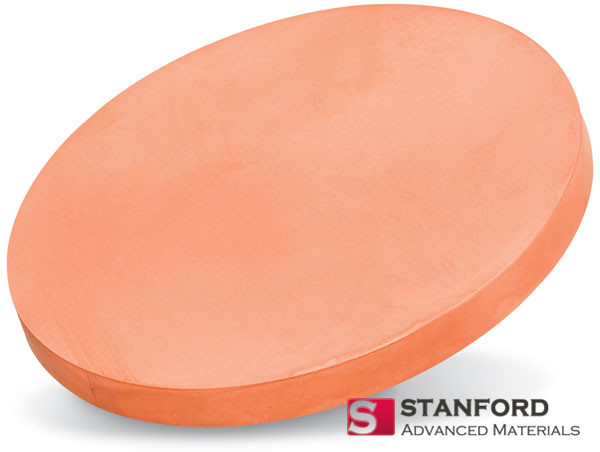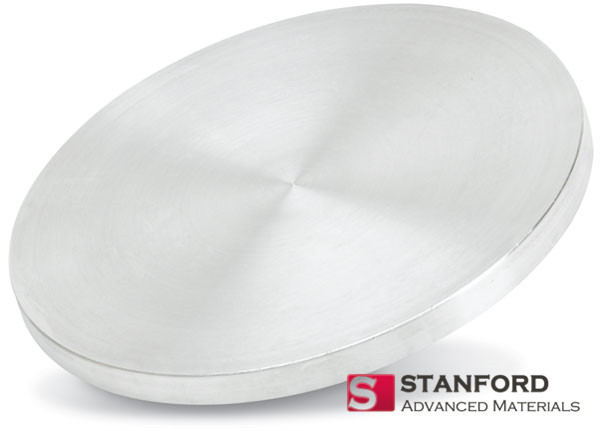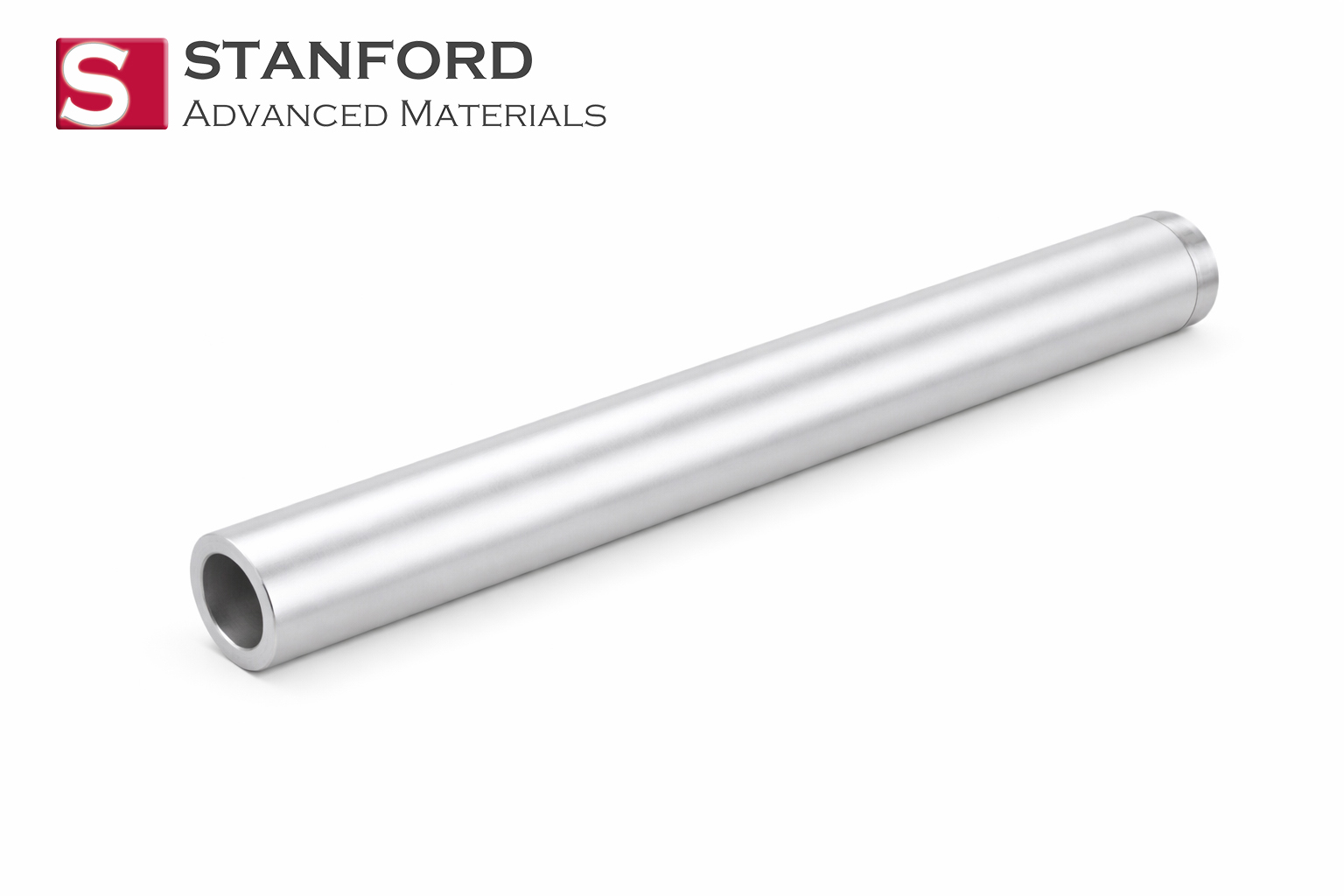
Our Aluminum Tin Copper (AlSnCu) rotary targets enable the deposition of advanced alloy films known for their excellent tribological properties—combining the low friction of tin, the strength of copper, and the lightweight characteristics of aluminum. Ideal for applications demanding superior wear resistance and reduced friction.
| Material | Aluminum Tin Copper Alloy (AlSnCu) |
| Typical Composition | Al-Bal., Sn ~20%, Cu ~1% (Customizable) |
| Purity | ≥ 99.9% (Metal Basis) |
| Form | Rotary Sputtering Target (Tubular) |
Key Advantage: Enables one-step deposition of ternary alloy films with built-in solid lubricant (Sn) and strengthening (Cu) phases for enhanced wear life.
Customization: Sn and Cu content, tube dimensions (OD, ID, Length), and bonding fully customizable.
Typical Applications: Low-friction & wear-resistant bearing coatings, automotive engine components, precision sliding contacts, and specialized decorative finishes.
For detailed evaluation and procurement (Standard Reference: ST11171).
| Parameter | Specification / Capability | Notes / Process Relevance |
|---|---|---|
| Material Type | Ternary Alloy (Al-Sn-Cu) | A classic bearing alloy system (similar to Al-Sn20-Cu1). |
| Standard Composition | Al-Balanced, Sn: 18-22 wt.%, Cu: 0.8-1.2 wt.% | This “AlSn20Cu1” composition provides an optimal soft/hard phase structure for bearing surfaces. |
| Composition Flexibility | Sn: 5-30%, Cu: 0.5-5% adjustable | Can tailor soft phase (Sn) content for lubricity and hard phase (Cu, Al-Cu) for load-bearing capacity. |
| Purity | ≥ 99.9% (Metal Basis) | Ensures consistent film chemistry and excludes detrimental impurities. |
| Density | ~3.5 – 4.0 g/cm³ (Alloy-dependent) | Achieved via controlled casting or powder metallurgy for homogeneity. |
| Microstructure | Uniform dispersion of soft Sn-rich phases in hard Al/Cu-rich matrix | Critical for the film’s self-lubricating and anti-seizure properties. Microstructure control is our specialty. |
| Standard Shape | Tubular (Rotary Target) | Maximizes material utilization for cost-effective coating of large or high-volume parts. |
| Key Dimensions | Fully Customizable (OD, ID, Length) | Designed to fit your specific rotary magnetron cathode. |
| Sputtering Method | DC Magnetron (Optimized) | Standard for conductive alloy targets; ideal for high-rate deposition. |
| Bonding/Integration | Can be bonded to a cooling mandrel or supplied as a loose tube. | Ensures efficient heat dissipation during high-power operation. |
| Certification | Certificate of Composition (CoC) provided | XRD and EDX analysis verify phase composition and elemental distribution. |
1. The Metallurgy of a Bearing Alloy in Thin-Film Form
The AlSnCu system replicates, in a sputtered coating, the microstructure of classic cast bearing alloys. The soft, low-shear-strength tin (or tin-rich) phases act as a solid lubricant, smearing under load to reduce friction and prevent seizure. The harder aluminum-copper matrix provides the necessary mechanical support and load-bearing capacity. Sputtering allows this beneficial structure to be applied as a thin, uniform, and adherent coating on complex geometries.
2. Advantages of Rotary Target Deposition for Alloy Films
Using a rotary target for alloy deposition is particularly advantageous:
3. Application-Specific Guidance
Achieving a uniform, fine dispersion of tin in the aluminum matrix is technologically challenging. SAM employs specialized rapid solidification or mechanical alloying techniques to prevent tin segregation. Each target is characterized using X-ray Diffraction (XRD) to identify phases and Energy Dispersive X-ray Spectroscopy (EDX) mapping to confirm the homogeneous distribution of all elements, ensuring your coating performs as designed.
To develop the ideal AlSnCu target for your coating needs, please provide: