(949) 407-8904 Mon - Fri 08:00 - 17:00 1940 East Deere Avenue, Suite 100, Santa Ana, CA 92705, USA

Blogs

Stanford Advanced Materials (SAM) Corporation is a global supplier of various sputtering targets such as metals, alloys, oxides, ceramic materials. We update every week about news and knowledge of sputtering targets and evaporation materials. Here are the blogs we published previously.

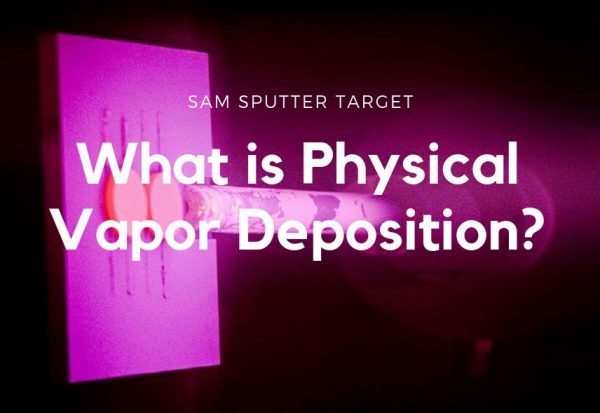
What is Physical Vapor Deposition

What is Physical Vapor Deposition (PVD)?

What is PVD Coating Technology? Physical Vapor Deposition (PVD) is a thin film preparation technique that physically vaporizes the surface of a material source (solid or liquid) into gaseous atoms, molecules, or partially ionized into ions under vacuum conditions. Then, a film having a specific function is deposited on the surface of the substrate by...
semiconductor-manufacturing

Tantalum Sputtering Targets in Semiconductor Manufacturing

The insatiable requirement for thinner, faster, and power-saving technologies has made the semiconductor industry one of the prime drivers of technological advancement. Behind the drive is a critical material: high-purity tantalum (Ta) sputtering targets. The targets are a critical ingredient in enabling next-generation semiconductor manufacturing processes, solving dire issues to chip reliability and performance. Tantalum...
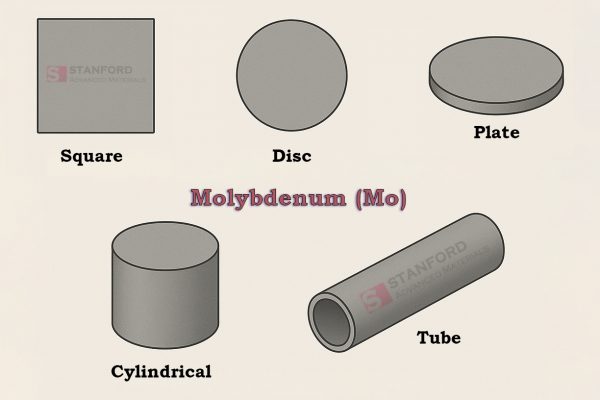
Molybdenum Target Shapes

Molybdenum Targets: Classification by Shapes and Applications

In thin film technology, materials need more than just potential—they need consistency, resilience, and performance under pressure. That’s where molybdenum shines. Molybdenum sputtering targets, whether derived from pure metal or alloys, inherit the best of their base: high strength, excellent corrosion resistance, and superior thermal and electrical conductivity. These qualities make molybdenum a trusted material...

Choosing Powder Metallurgy for High-Performance Sputtering Targets

1. Introduction Sputtering targets play a central role in physical vapor deposition (PVD) processes, forming the thin functional layers found in semiconductors, optical components, solar panels, and wear-resistant coatings. As industries continue to push for better film quality, consistency, and performance, the demand for advanced sputtering targets grows accordingly. In particular, refractory metals such as...
Inner linings for components in acid processing

Tantalum and Niobium Targets for High-Temperature Corrosion-Resistant Films

1. Introduction Refractory metals like tantalum (Ta) and niobium (Nb) play an increasingly important role in thin film technology, particularly for environments that demand both high-temperature stability and corrosion resistance. These two elements, known for their exceptionally high melting points and strong chemical inertness, have found widespread use in advanced protective coatings. As industries such...
advantages-and-disadvantages-of-ion-beam-sputtering

Advantages and Disadvantages of Ion Beam Sputtering

Ion Beam Sputtering Definition Ion beam sputtering (IBS), or ion beam deposition (IBD), is a thin film deposition technology that uses an ion source to deposit a sputtering target onto a substrate to produce the highest quality films with excellent precision. Compared to other PVD technologies, ion beam sputtering is more accurate and can accurately control...

Graphite Crucibles Used for Metal Smelting

Introduction Crucibles are widely used in metallurgy, chemical processing, and a variety of industries. Among these crucibles, graphite crucibles are useful for the smelting of non-ferrous metals and alloys with their desirable properties. Let’s have a detailed discussion about the features, competitiveness, and uses of graphite crucibles. Hope that you can have a better understanding...
Tantalum Capacitors

The Key Role of Tantalum Targets in Semiconductor Manufacturing

When we think about semiconductor manufacturing, we often picture highly advanced technologies, intricate processes, and an army of materials working in the background. Among these materials, tantalum (Ta) sputtering targets play a surprisingly crucial role. But why exactly is this unassuming metal so important for semiconductor devices? Let’s dive in. What Makes Tantalum So Special...
Ti alloy targets

Metal, Ceramic, or Alloy: Choosing the Right Sputtering Target

When it comes to thin film deposition, the choice of sputtering target material can make or break the performance of your final product. For procurement specialists and product managers working in materials science, semiconductors, optics, or advanced coatings, understanding the distinctions between metal, ceramic, and alloy targets is critical. This article breaks down the characteristics,...
1 3 4 5 6 7 32