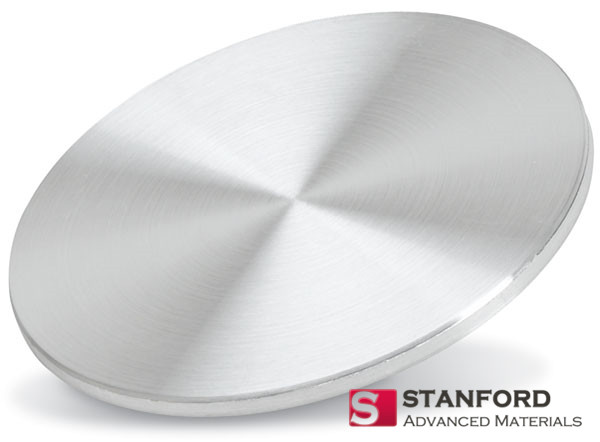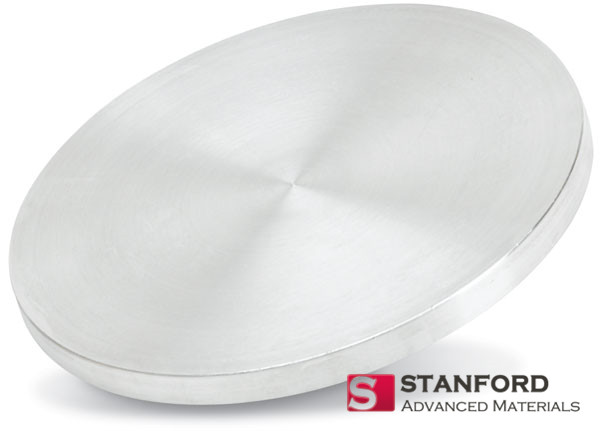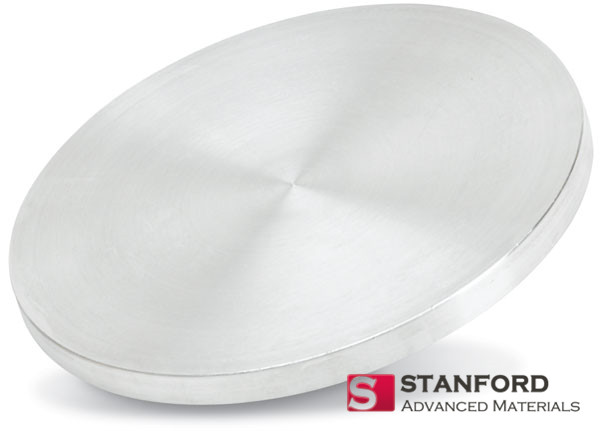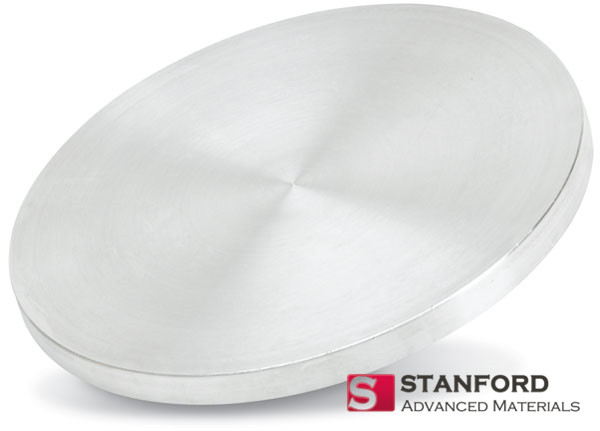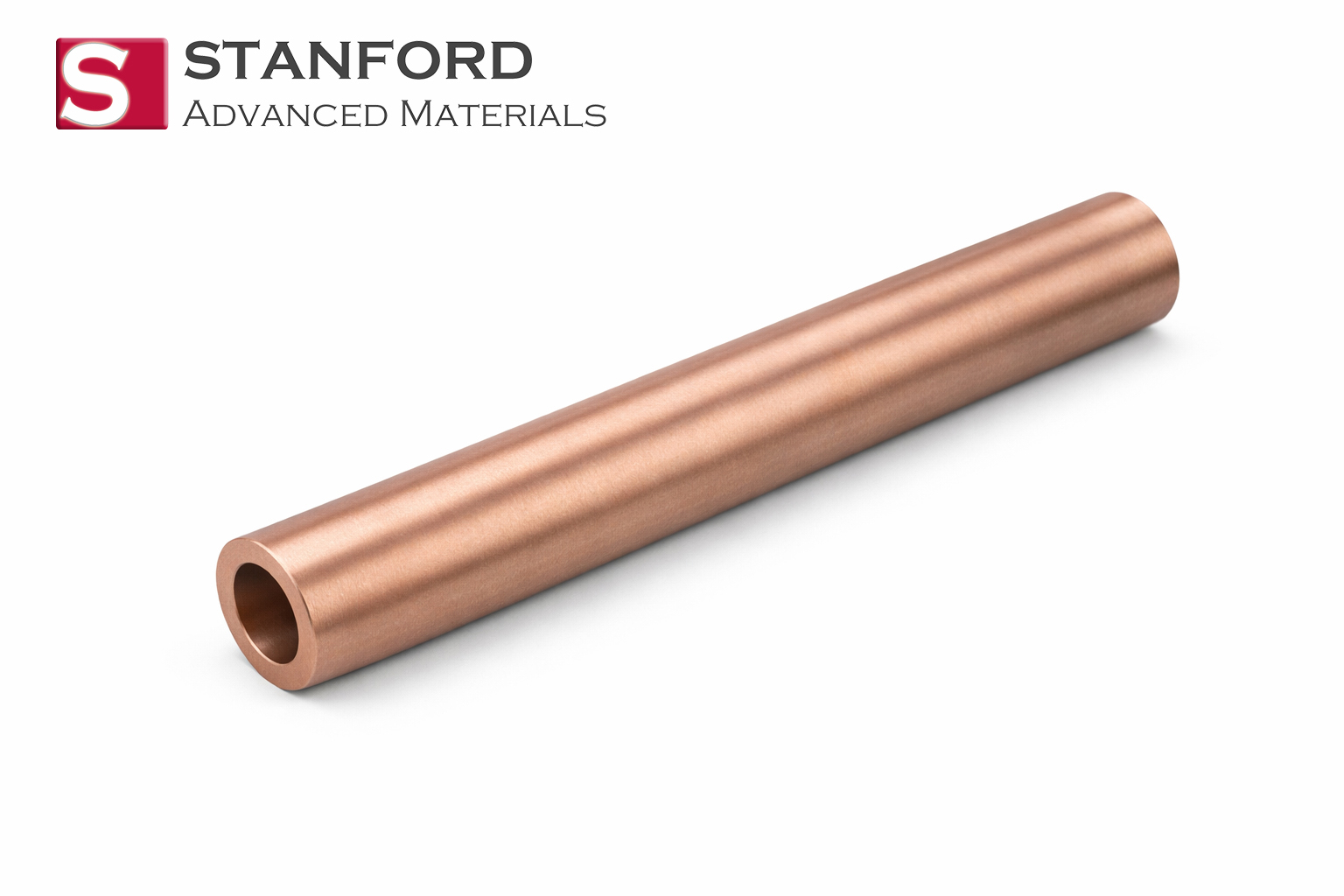
Our Copper Manganese (CuMn) Rotary Sputtering Targets are engineered for a breakthrough application in semiconductor manufacturing: the deposition of Cu(Mn) alloy seed layers that, upon annealing, enable the self-formation of an ultra-thin Mn-based barrier at the Cu/dielectric interface. This technology is critical for reducing via/line resistance and enhancing reliability at sub-10nm nodes.
| Material | Copper Manganese Alloy (CuMn) |
| Key Function | Precursor for Self-Forming MnSiOₓ/MnOₓ Barriers |
| Typical Mn Content | 1 – 10 at.% (Customizable) |
| Purity | ≥ 99.9% (Metal Basis) |
| Form | Rotary Sputtering Target (Tubular) |
Key Advantage: Provides a single-source solution for depositing a Cu-Mn alloy film that, upon annealing, reacts with the underlying SiO₂ or low-κ dielectric to form a dense, conformal barrier, eliminating the need for a separate TaN/Ta barrier/liner.
Customization: Manganese concentration (at.%), tube dimensions (OD, ID, Length), and purity fully customizable.
Typical Applications: Advanced semiconductor interconnects (≤7nm nodes), through-silicon vias (TSVs), and research on novel diffusion barrier materials.
For detailed evaluation and procurement (Standard Reference: ST11185).
| Parameter | Specification / Typical Value |
|---|---|
| Material | Copper Manganese Alloy (CuMn) |
| Manganese Content | 1 at.%, 2 at.%, 5 at.%, 10 at.% (Fully Customizable) |
| Purity (Metal Basis) | ≥ 99.9% |
| Density | ~8.0 – 8.5 g/cm³ (Alloy dependent) |
| Microstructure | Homogeneous solid solution (for low Mn%), fine dispersion |
| Standard Shape | Tubular (Rotary Target) |
| Key Dimensions | Custom OD, ID, Length |
| Electrical Resistivity (Target) | Slightly higher than pure Cu (scales with Mn%) |
| Sputtering Method | DC Magnetron (Optimized) |
| Bonding/Integration | Designed for high-power rotary cathodes |
| Certification | Certificate of Composition (CoC) provided |
1. Enabling Scaling with Self-Forming Barriers
As interconnect dimensions shrink below 20nm, the relative volume occupied by traditional bilayer barriers (e.g., TaN/Ta) becomes significant, starving the via of conductive copper and drastically increasing resistance. The Cu(Mn) alloy seed layer approach solves this:
Deposition: A thin layer of Cu(Mn) alloy is sputtered onto the dielectric.
Annealing: Upon heating (~400°C), Mn atoms diffuse to the Cu/dielectric interface.
Barrier Formation: Mn reacts with oxygen from SiO₂ or porous low-κ materials to form a dense, self-aligned MnSiOₓ or MnOₓ barrier (1-2 nm thick), while leaving behind purified, low-resistivity Cu to fill the via/line.
2. Why Rotary Targets for This Application?
This technology is deployed in high-volume 300mm wafer manufacturing. Rotary targets are essential for:
Uniform Mn Distribution: Critical for forming a continuous, uniform barrier layer across the entire wafer. The rotary design ensures consistent Mn flux.
High-Volume Manufacturing: Meets the throughput and uniformity requirements of modern semiconductor fabs.
Material Utilization: Maximizes the use of this advanced material.
3. Precision Manufacturing for a Demanding Application
Achieving a uniform, low-oxygen CuMn alloy is challenging due to manganese’s high affinity for oxygen. SAM employs Vacuum Induction Melting (VIM) under inert/Ar atmosphere followed by specialized rolling/forging to produce a homogeneous, low-oxygen alloy. We guarantee the precise Mn content and low impurity levels necessary for reliable barrier formation.
Composition is verified via Inductively Coupled Plasma Optical Emission Spectroscopy (ICP-OES). Oxygen and Nitrogen analysis is performed to ensure levels are kept extremely low (<100 ppm), as excess oxygen can interfere with the controlled barrier formation process. SEM/EDS mapping confirms the homogeneous distribution of Mn in the Cu matrix. This rigorous control is fundamental to the success of the self-forming barrier process.
Discuss Your Interconnect Integration & Request a Quote
This target is designed for specific, advanced semiconductor processes. To proceed, please provide: