(949) 407-8904 Mon - Fri 08:00 - 17:00 1940 East Deere Avenue, Suite 100, Santa Ana, CA 92705, USA

Blogs

Stanford Advanced Materials (SAM) Corporation is a global supplier of various sputtering targets such as metals, alloys, oxides, ceramic materials. We update every week about news and knowledge of sputtering targets and evaporation materials. Here are the blogs we published previously.
Recommended Fill Rate For Evaporation Materials

A wonderful serenity has taken possession of my entire soul, like these sweet mornings of spring which I enjoy with my whole heart. I am alone, and feel the charm of existence in this spot, which was created for the bliss of souls like mine. I am so happy, my dear friend, so absorbed in...

Top 5 Industrial Applications of Calcium Sulfide (CaS) You Should Know

Introduction: The Unique Value of CaS in Modern Industries Calcium Sulfide (CaS) is a versatile material with a range of applications across high-tech industries. Known for its stability and unique properties, CaS is used in everything from electronics to environmental technology. Its high thermal stability, chemical resistance, and transparency make it an excellent choice for...

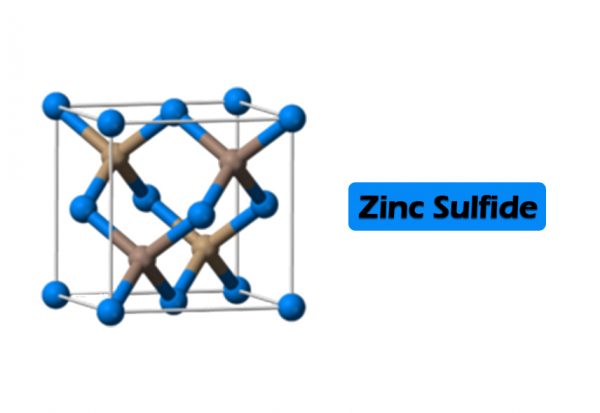
Zinc Sulfide (ZnS): From Semiconductor Applications to High-Tech Coatings

1. Introduction: The Versatile Role of ZnS in Modern Industries Zinc Sulfide (ZnS) is a widely used material in high-tech industries, from semiconductors to advanced optical coatings. Known for its unique physical and chemical properties, ZnS has become essential in modern technology. This material has a high refractive index, excellent optical clarity, and strong thermal...

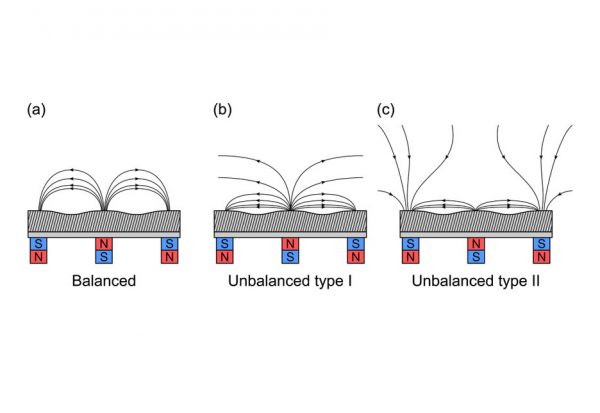
What Are Balanced and Unbalanced Magnetron Sputtering?

1. Introduction Sputtering is a key technology for thin-film deposition. It was first introduced in 1852 to deposit metals that couldn’t be applied through thermal evaporation. Over time, sputtering technology has advanced, leading to the development of magnetron sputtering. Magnetron sputtering uses magnetic fields to control the movement of electrons. This improves the process by...
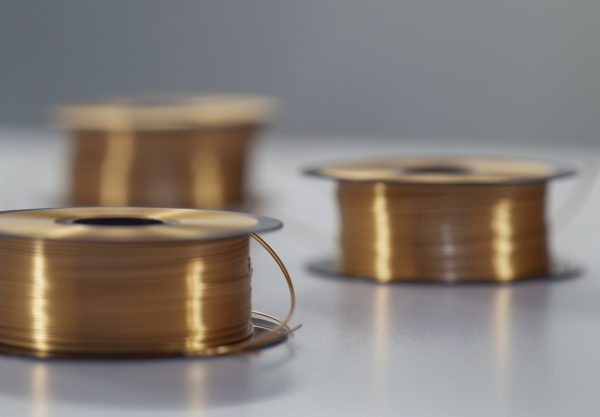
gold bonding wire

The Ultimate Guide to Understanding Gold Bonding Wire

Gold bonding wire plays a key role in semiconductor manufacturing. It connects the chips in electronic devices, ensuring smooth communication between components. In this guide, we’ll explore gold bonding wire, why it’s important, and where it’s used. What Is Gold Bonding Wire? Gold bonding wire is a thin strand made from pure gold. It has...

Top 10 Sputtering Target Materials that Can Withstand High Temperatures

Sputtering is a widely used process in various industries, from electronics to optics. High-temperature sputtering targets are essential for applications that require materials to perform under extreme conditions. Here are the top ten sputtering target materials known for their ability to withstand high temperatures, listed from highest to lowest melting point. 1. Tungsten Sputtering Target...

How Indium Tin Oxide (ITO) Helps Solar Cells Work Better

Introduction: Indium Tin Oxide (ITO) is a key material used in solar cells. Solar cells are devices that turn sunlight into electricity, and ITO helps make them work better. It is both transparent and conductive, meaning it allows light to pass through while also carrying an electric current. This makes it perfect for solar panels....
indium-tin-oxide-glass-09

How Indium Tin Oxide (ITO) Improves Flat-Panel Displays

Introduction: Indium Tin Oxide (ITO) is widely used in modern flat-panel displays. It is a transparent conductor, a unique feature essential for display technologies like Liquid Crystal Displays (LCDs), Organic Light-Emitting Diodes (OLEDs), and touch screens. ITO combines high electrical conductivity with optical transparency, which makes it a popular choice for these applications. This article...

Biocompatible Coatings in Medical Implants and Devices

1. Introduction Biocompatible coatings are materials made to interact safely with human tissues. They do not cause harmful reactions when they come into contact with the body. Biocompatible coatings are crucial in medical implants and devices because they lower the risk of the body rejecting the implant. They also make the implants more stable and...
1 7 8 9 10 11 33