(949) 407-8904 Mon - Fri 08:00 - 17:00 1940 East Deere Avenue, Suite 100, Santa Ana, CA 92705, USA

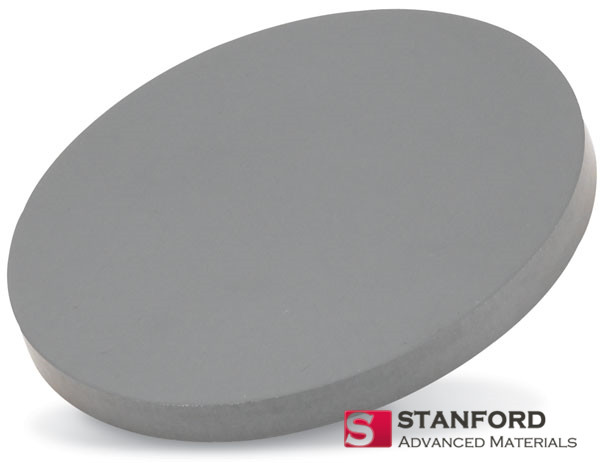
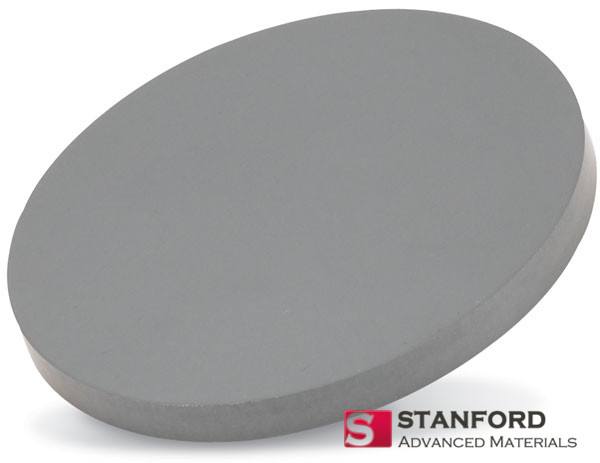
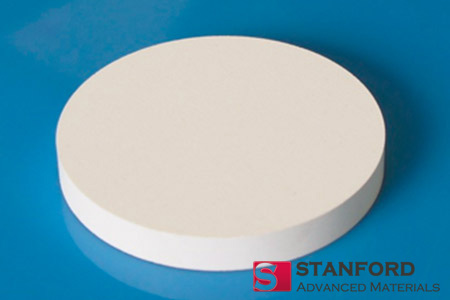
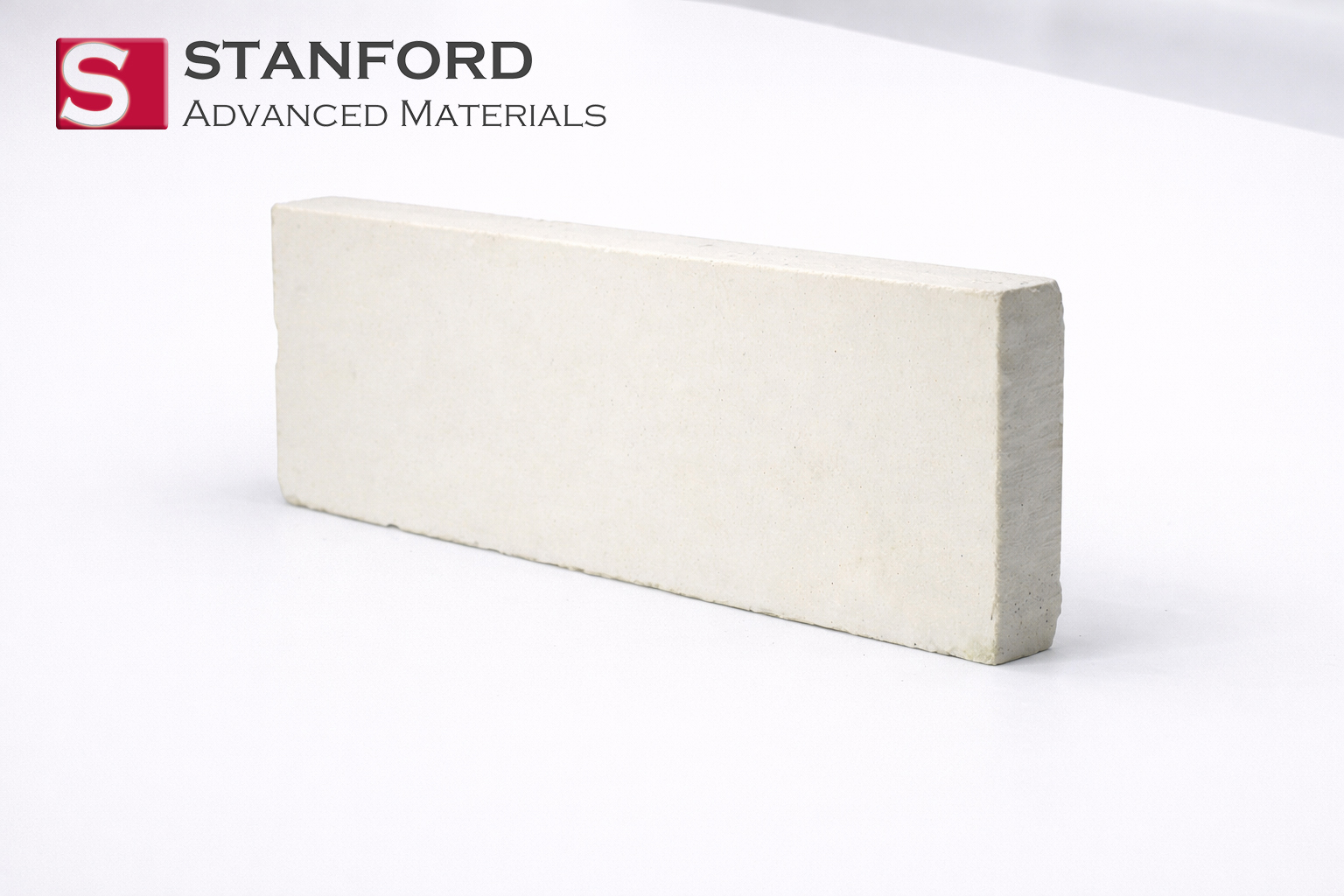
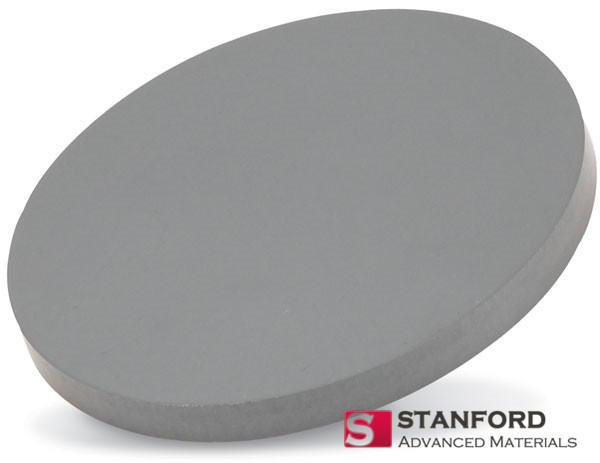
ST11221 Zinc Sulfide (ZnS) Planar Sputtering Target

Our Zinc Sulfide (ZnS) Planar Sputtering Targets are fabricated from high-purity ZnS, a versatile II-VI compound semiconductor prized for its exceptional infrared transparency and luminescent properties. These targets enable the deposition of high-quality ZnS thin films used as key components in infrared optics, electroluminescent displays, and as buffer layers for advanced semiconductor heterostructures.

Material Zinc Sulfide (ZnS)
Typical Purity ≥ 99.99% (4N)
Form & Shape Planar Sputtering Target (Rectangular/Disc)
Crystal Phase Cubic (Zinc Blende) and/or Hexagonal (Wurtzite)
Key Properties Wide Bandgap (~3.7 eV) | Excellent IR Transparency (8-12 µm) | Efficient Luminescence
Key Advantage Provides a high-purity source for depositing films with outstanding optical clarity in the infrared spectrum and efficient light emission properties for display technologies.

Key Advantage: Enables deposition of high-quality ZnS films with low absorption and scattering losses, making them ideal for multi-layer anti-reflection coatings in IR systems and as the active layer in thin-film electroluminescent (TFEL) devices.

Customization: Purity (99.99% to 99.9999%), stoichiometry (Zn:S ratio), dimensions, and crystal phase emphasis are fully customizable to meet specific optical or electronic performance requirements.

Primary Applications: Anti-reflection and protective coatings for infrared windows and lenses; active luminescent layer in AC-driven TFEL displays; buffer layer for growing other II-VI semiconductors (e.g., CdTe, HgCdTe); passivation layers for optoelectronic devices.


Description

Complete Technical Specifications & Capabilities

Technical specifications for sputtering high-performance ZnS optical and electronic films.

Parameter Specification / Details
Material Zinc Sulfide (ZnS)
Typical Purity ≥ 99.99% (4N)
Crystal Phase Primarily Cubic (Zinc Blende, preferred for IR optics); Hexagonal (Wurtzite) available
Stoichiometry Nominally 1:1 Zn:S. Slightly Zn-rich or S-rich compositions available to influence conductivity and optical properties.
Density ~4.09 g/cm³ (Theoretical, cubic phase)
Bandgap ~3.54 – 3.91 eV (Direct, phase-dependent)
Transparency Range ~0.4 – 14 µm (Visible to Long-Wave IR)
Refractive Index (@10 µm) ~2.2
Standard Shape Planar – Rectangular, Circular (Disc)
Dimensions Fully Customizable (Thickness, Width, Length, Diameter)
Surface Finish Fine-ground and polished for uniform sputtering and minimal particulate generation
Bonding Option Available bonded to metal backing plates (Cu, Mo) using conductive epoxy or specialized bonding for RF sputtering
Manufacturing Method Hot Pressing or Chemical Vapor Deposition (CVD) of high-purity powder to achieve high density and transparency
Conductivity Insulating – Requires RF Sputtering or pulsed-DC reactive sputtering from metallic Zn in H₂S/Ar
Quality Documentation Certificate of Analysis with purity, phase (XRD), and optical grade verification

Technical & Application Deep Dive

1. Infrared Optical Coatings: The Material of Choice for MWIR & LWIR

ZnS is a cornerstone material for infrared optical systems due to its unique combination of properties:

  • Broadband IR Transparency: ZnS exhibits excellent transmission from the visible (~0.4 µm) through the long-wave infrared (LWIR, up to ~14 µm), making it ideal for multi-spectral windows, lenses, and domes in thermal imaging, missile guidance, and surveillance systems.
  • Durable Hard Coatings: Sputtered ZnS films are used as durable, environmentally protective coatings on softer IR materials (like Ge or ZnSe) to enhance abrasion resistance and humidity performance.
  • Multi-Layer Antireflection (AR) Designs: ZnS’s moderate refractive index (~2.2 at 10µm) makes it an essential component in complex multilayer AR stacks deposited on Ge, Si, or other IR substrates to maximize transmission and minimize glare.

2. Thin-Film Electroluminescence (TFEL): A Classic Display Technology

ZnS doped with manganese (Mn) is the seminal phosphor material for TFEL displays:

  • Active Luminescent Layer: In a TFEL device, an AC voltage is applied across a ZnS:Mn film sandwiched between dielectric layers. The resulting high electric field excites Mn ions, producing bright yellow-orange emission. Our high-purity targets ensure efficient luminescence and long device lifetime.
  • Advantages of TFEL: These displays are known for their wide viewing angle, high contrast, ruggedness, and ability to operate in extreme temperatures, making them suitable for military, industrial, and medical applications.
  • Other Dopants: Targets can be supplied pre-doped with other rare-earth ions (e.g., Tb for green, Tm for blue) for full-color TFEL displays.

3. Semiconductor Buffer Layers & Passivation

ZnS serves important roles in compound semiconductor device fabrication:

  • Heteroepitaxial Buffer Layers: Due to its close lattice match with several important semiconductors, ZnS is used as a buffer layer to nucleate the growth of high-quality films of materials like CdTe for photovoltaics or HgCdTe for IR detectors.
  • Surface Passivation: ZnS thin films can effectively passivate surface states on III-V and II-VI semiconductors, reducing surface recombination and improving device performance in lasers, LEDs, and detectors.

4. Sputtering Process for Insulating ZnS Targets

As an insulating material, ZnS requires specific sputtering approaches:

  • RF Magnetron Sputtering: The standard method for depositing stoichiometric, high-quality ZnS films from a compound target. Our dense, homogeneous targets ensure stable RF plasma operation.
  • Reactive Sputtering Alternative: ZnS films can also be deposited by reactive sputtering from a metallic Zn target in an Ar/H₂S atmosphere. This offers flexibility in tuning stoichiometry and film stress.
  • Substrate Heating: Moderate substrate heating (150-300°C) during sputtering is often used to improve film density, crystallinity, and optical properties.

Quality Assurance & Manufacturing

Stanford Advanced Materials employs stringent controls for optical-grade ZnS targets:

  • Optical Grade Raw Material: Starting powders or CVD billets are selected for minimal absorption centers (e.g., transition metals, water, carbon) that degrade IR performance.
  • High-Density Processing: Hot pressing achieves densities >99% of theoretical to prevent nodulation and arcing during RF sputtering.
  • Phase and Composition Control: XRD verifies crystal phase, and combustion analysis confirms stoichiometry (Zn:S ratio).
  • Optical Quality Assessment: Witness samples from target batches can be deposited and measured for transmission, absorption, and scatter in key IR bands.

Why Choose SAM for Your Zinc Sulfide Targets?

  • Optical Materials Specialist: We understand the critical link between target purity/density and the optical performance (transmission, scatter, absorption) of the deposited film.
  • Expertise in Insulating Compound Targets: We specialize in fabricating high-density, stable targets for RF sputtering applications.
  • Dopant Integration Capability: We can supply pre-doped ZnS:Mn or ZnS:RE targets for TFEL display manufacturing.
  • Custom Solutions for R&D and Production: From small R&D targets to large production-sized plates, we tailor dimensions, purity, and phase to your specific needs.

Next Steps: Get a Custom Quote

To receive a formal quotation or technical consultation, please provide:
  1. Primary application (e.g., IR antireflection coating, TFEL display, buffer layer).
  2. Required target dimensions and shape.
  3. Desired crystal phase (cubic for optics, hexagonal for some electronic applications).
  4. If for TFEL, specify dopant type and concentration (e.g., ZnS:Mn 0.5 wt%).
Request a Quote