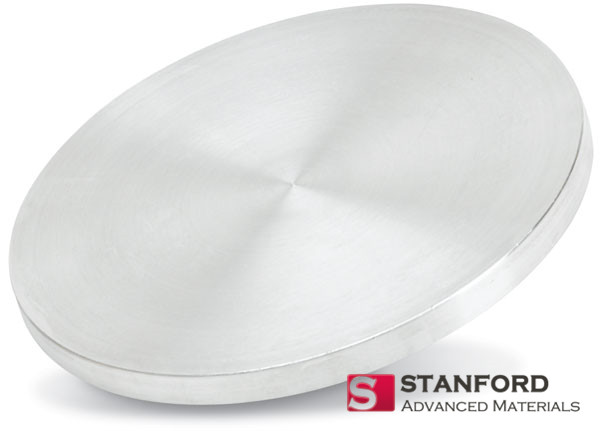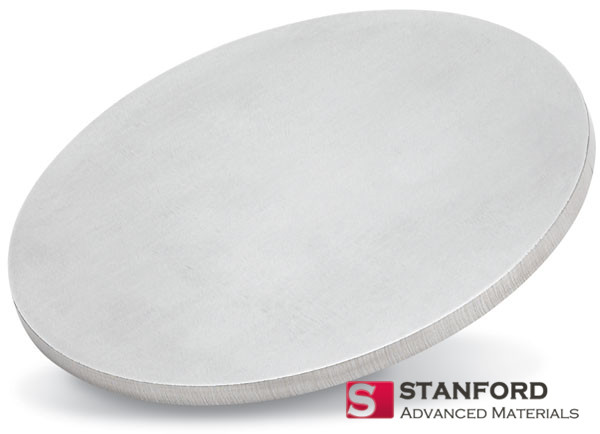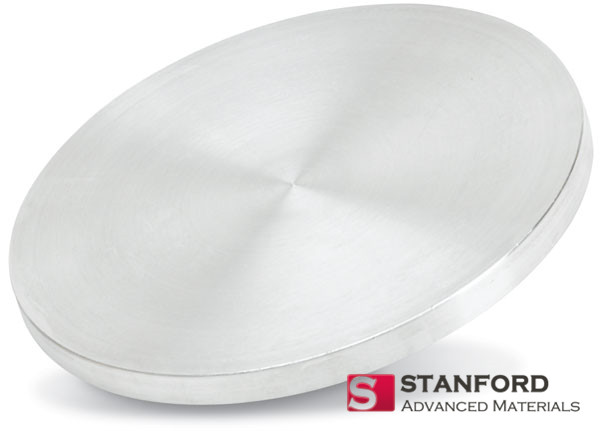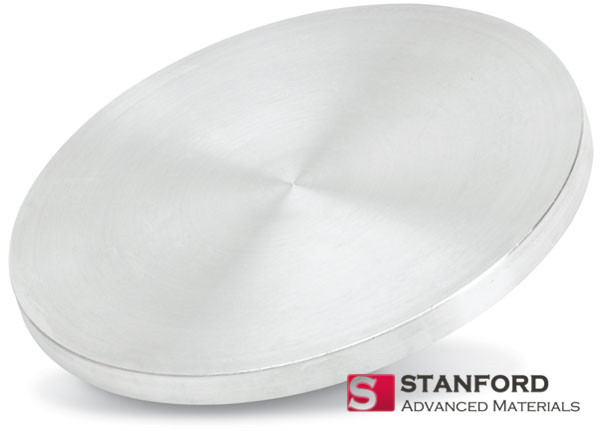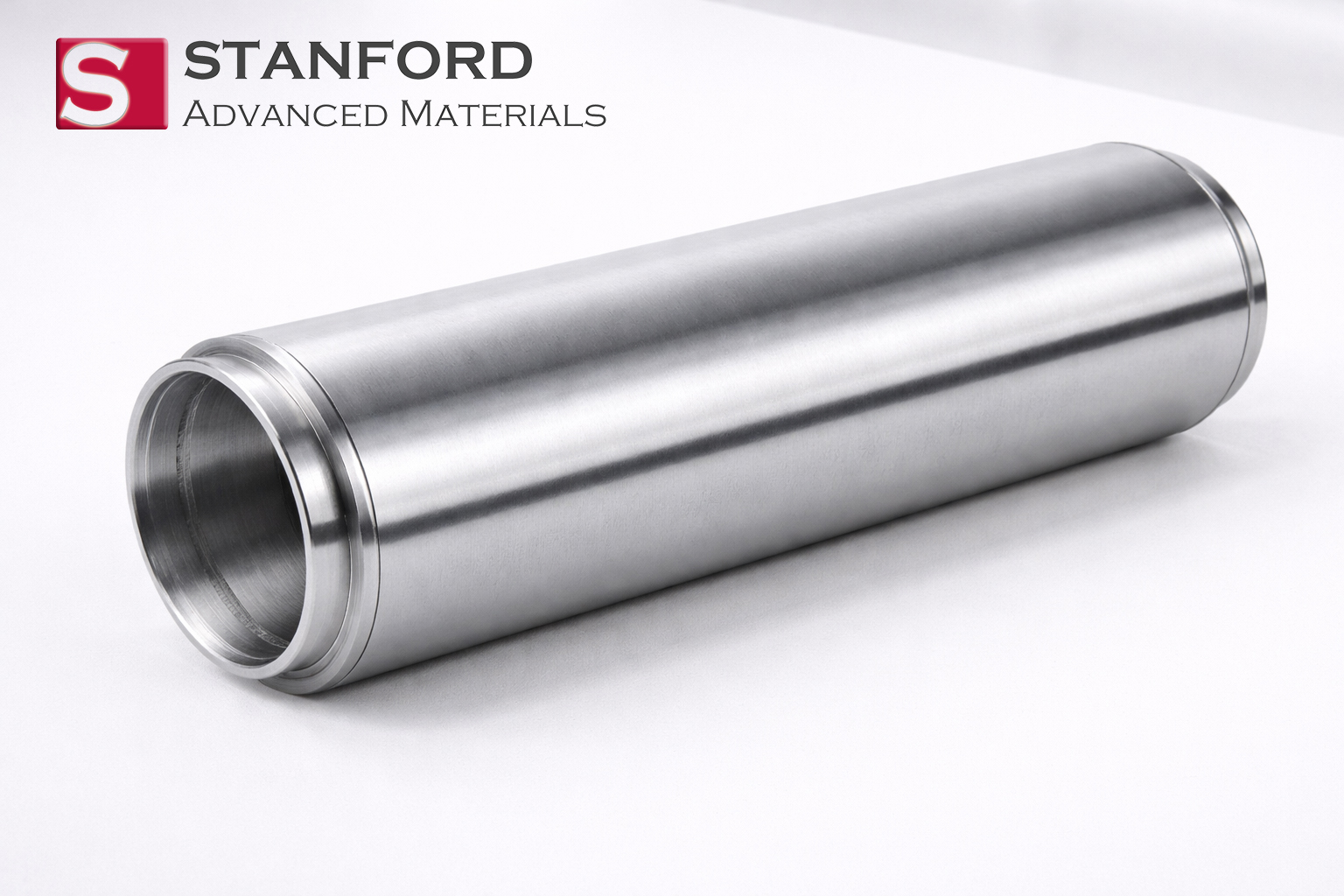
Our Indium Tin (InSn) Rotary Sputtering Targets are engineered for depositing specialized alloy films with unique properties. Primarily used for ultra-low-temperature solder/bonding layers and as a metal precursor for Indium Tin Oxide (ITO) via oxidation, these targets offer precise composition control essential for applications in microelectronics, display manufacturing, and advanced packaging.
| Material | Indium Tin Alloy (InSn) |
| Key Alloy Property | Low Melting Point (e.g., In-48Sn melts at ~118°C) |
| Standard Composition | In-10Sn, In-20Sn, In-48Sn (Customizable) |
| Purity | ≥ 99.99% (4N) |
| Form | Rotary Sputtering Target (Tubular) |
Key Advantage: The ability to sputter a uniform InSn alloy film enables subsequent low-temperature reflow for hermetic sealing or bonding, or controlled oxidation to form conductive ITO-like layers.
Customization: Sn content (10% to 50%+), tube dimensions (OD, ID, Length), and purity fully customizable.
Typical Applications: Low-temperature solder/bonding films for MEMS & optoelectronic packaging, precursor layers for oxidized transparent conductors, and specialized conductive coatings on temperature-sensitive substrates.
For detailed evaluation and procurement (Standard Reference: ST11193).
| Parameter | Specification / Typical Value |
|---|---|
| Material | Indium Tin Alloy (InSn) |
| Standard Compositions | In-10%Sn, In-20%Sn, In-48%Sn (by weight) |
| Composition Flexibility | Any In:Sn ratio from 95/5 to 50/50 |
| Purity (Metal Basis) | ≥ 99.99% |
| Density | ~7.0 – 7.3 g/cm³ (Alloy dependent) |
| Melting Point (Alloy) | Tunable: In-48Sn ~118°C; higher In% increases m.p. |
| Electrical Resistivity (Bulk) | Low, but higher than pure In (e.g., ~12 µΩ·cm for In-20Sn) |
| Standard Shape | Tubular (Rotary Target) |
| Key Dimensions | Custom OD, ID, Length |
| Sputtering Method | DC Magnetron (Low-Power Optimized) |
| Cooling Requirement | Critical due to low melting point of alloy. |
| Bonding/Integration | Designed for secure mounting on cooled rotary mandrels. |
| Certification | Certificate of Composition (CoC) provided |
1. Enabling Low-Temperature Processing in Microsystems
The primary application of InSn films is as a low-temperature solder or bonding layer. Sputtered InSn films can be patterned and then heated just above their eutectic temperature (e.g., ~118°C for In-48Sn) to reflow, creating a hermetic seal or an electrical/thermal interconnect. This is invaluable for:
2. A Metallic Route to Transparent Conductors
An alternative to sputtering from a ceramic ITO target is to sputter a metallic InSn alloy film and then oxidize it in a controlled atmosphere (e.g., O₂ plasma, thermal annealing). This two-step process can sometimes offer better step coverage and composition control on complex 3D structures. The composition of the initial alloy film (e.g., In-10Sn) directly determines the properties of the final oxidized ITO layer.
3. The Importance of Rotary Design for Uniformity
Whether for bonding or precursor applications, film uniformity is critical. A rotary InSn target provides:
4. Special Handling and Process Considerations
Like pure indium, InSn alloys have low melting points and are soft. Sputtering requires:
We guarantee precise alloy composition using Inductively Coupled Plasma (ICP) analysis. Differential Scanning Calorimetry (DSC) can be performed to confirm the melting point of the alloy ingot, which validates the composition. Microstructural analysis (SEM/EDS) ensures homogeneity and the absence of detrimental phases or segregation. This comprehensive characterization ensures predictable performance in your delicate processes.
Expertise in Low-Melting-Point Alloys: We specialize in the metallurgy and target fabrication of challenging systems like InSn.
Understanding of Advanced Packaging: We supply materials for cutting-edge MEMS, photonics, and heterogeneous integration applications.
Precision Alloying Capability: We deliver targets with accurate, homogeneous compositions for reliable and repeatable process results.
Discuss Your Application & Request a Quote
InSn targets serve specialized processes. For an accurate specification, please provide: